265SmithWatt 75Neumann JHuangDHassabisFLiEMusk 20 Agentic AIforU
KingCharlesLLM DeepLearning009 NormanMacrae.net EconomistDiary.com Abedmooc.com
india
india ai crossroads can be looked at in several ways- perhaps pessimistic or realistic is this latest ai summary july 2026
upd June 2026 much of india's economy reels from trumps closure of Hormuz - connections; gujarat textile industry factoiries dependeded on natural gas from middle east- textile indistry slumping; mango farmers main market was middle east now have to sell at local nonn-economic prices for farming this fruit; remittances from 9 million ijmdians employed in middle east stopping; its estimated that if hormuz reopened safely tomorrow it would take 9 months to get back to normal; but as ofetn small most enetrperenurail families and youth hit bu this; its amazing how over optimistic world economic modelers for 2026 contimue to be- does nobody dare to share true intel with Trump and his DC dictaorship?
India Reiew at 20000 DC AI+Expo May 7-9
Survey of most exciting science uses of machines with billion times more maths brainpower than sperate human minds- we asked Grok for expected partnerships emerging after india AI Action summit (worlds largest populations) Delhi Feb 19, 2026
- IndiaAI Mission + Microsoft — Massive skilling (500,000+ people by 2026), Azure credits for 1,000+ startups, AI innovation in healthcare/agriculture/climate; includes data centers and AI training investments (₹1.5 lakh crore committed).
- IndiaAI Mission + NVIDIA — Founding member of $2B India Deep Tech Alliance; mentors startups in AI/biotech/semiconductors/energy; powers compute for scientific simulations and materials discovery.
- Google DeepMind + Indian talent/ecosystem — Building India-specific AI (e.g., multilingual models, healthcare/education tools); collaborations on local foundational models and applications like personalized tutoring or disease prediction.
- IndiaAI Mission + ANRF (Anusandhan National Research Foundation) — AI in Science and Engineering program (with DRDO, Ministry of Earth Sciences, DBT); accelerates discoveries in climate science, advanced materials, biomanufacturing, microscopy, medical imaging, and astrophysics.
- Cropin + Google/BCG/Wipro/Planet Labs — AI-first ecosystem for global agriculture; uses satellite/weather data for pest prediction, soil advisories, and yield optimization—scalable to Global South farmers.
- IndiaAI Mission + World Bank — Partnership on AI infrastructure, economic growth, health AI, and financing; focuses on inclusive deployment in developing regions.
US-India TRUST/iCET initiatives — Bilateral cooperation in AI, biotech, quantum; includes resilient pharma supply chains, joint R&D in biomanufacturing, and AI for drug discovery (e.g., via NSF-DBT funding calls). - IndiaAI Mission + Station F/HEC Paris — IndiaAI Startups Global Initiative; accelerates 10+ Indian AI startups internationally, positioning India as Global South innovator in multilingual/health/climate AI.
- International Solar Alliance (ISA) + MeitY/Ministry of Power — Global AI Mission for Energy (pre-summit event); develops AI for intelligent grids, forecasting, and energy stacks—relevant for Global South renewable transitions.
- IndiaAI Mission + HealthAI platform — Global engagement for ethical AI in healthcare; focuses on disease detection, telemedicine, and population-scale diagnostics.
- NITI Aayog + various (e.g., Microsoft FarmBeats/Azure) — AI for agriculture (e.g., pest alerts, irrigation via satellite/soil data); extends to Global South food security.
- IndiaAI Mission + indigenous players (Sarvam AI, Soket AI, Gnani AI, etc.) — Developing open-source foundational models (multilingual/speech/multimodal); targets healthcare, agriculture, climate for population-scale impact.
- Global Partnership on AI (GPAI) + India — India as key member; advances responsible AI for Global South priorities like health, agriculture, climate resilience.
- IndiaAI Mission + Meta — Center for Generative AI (Srijan) at IIT Jodhpur; boosts open-source AI research and skilling for indigenous applications.
- Dell/NVIDIA + NxtGen AI — Building India's largest AI factory; supports compute for scientific applications in biotech, materials, and energy modeling.
These partnerships prioritize impact at population scale—e.g., AI for early disease detection in underserved areas, climate-adaptive farming for millions of smallholders, or energy-efficient grids amid rapid urbanization. They build on India's advantages (vast datasets, cost-effective talent, multilingual focus) to create solutions exportable to the Global South, potentially bridging gaps in global efforts like AlphaFold (e.g., adapting for neglected tropical diseases prevalent in India/Africa). The ongoing India AI Impact Summit 2026 (February 16–20) is accelerating announcements in these areas, with themes like "Science Chakra" for frontier research and "Planet Sutra" for climate/environmental AI. Expect further expansions post-summit, solidifying India's role in democratizing AI-driven scientific breakthroughs for the developing world.
update 25 jan 2026
PURPOSE OF INDIA'S AI SUMMIT FEB 19 HAS UNIQUE TIMING ADVANTAGES; DEEP CROSSCULTURAL POSSIBILILITIES
List of co-chairs India is celebrating at 7 intelligence subnetworks "Chakra":
- Human Capital Philippines (2026 Asean host), Rwanda
- Economic growth & Social Good: Netherlands, Indonesia
- Science Singapore , Canada
- Social Empowerment Inclusion: Switzerland, Nigeria
- Safe & Trusted - Japan, Brazil
- Democratising AI Resources - Kenya, Egypt
- Resilience, Sustainability - France
upd summit 1 week after
Sundar Pichai (Google/Alphabet CEO) and Demis Hassabis (Google DeepMind CEO) represented US West Coast innovation and UK research excellence, respectively, with keynotes on multimodal AI and global collaboration.
For high-level sovereign diplomacy: The US sent Michael Kratsios (White House OSTP Director) as head of delegation, delivering a keynote on innovation over self-containment, but no head-of-state level (e.g., no Biden or Vance); the UK, as a past host, had ministerial representation but no PM-level attendance—focus was on tech ties rather than top sovereigns. 26 nations, led by France, Spain (PM Sanchez), Finland (PM Orpo), Sweden (Deputy PM Busch), Estonia (co-host legacy), Germany (business-heavy), Serbia/Croatia—focus on science chakra (Layer 4 models) and human capital (Layer 5 skilling).
Brazil (President Lula, co-chair Safe AI), Nigeria (Inclusion co-chair, Layer 5 empowerment), Rwanda (Human Capital co-chair, community actions), Philippines (Human Capital), Bhutan (PM Tobgay, sustainability), Bolivia (VP Montano)—unique foci: Global South's development via AI for food security/agriculture (Layer 5), with Brazil pushing ethical AI governance.
: Japan (Safe AI co-chair, robotics focus), Korea (past host, resilience), Australia (science partnerships)—interest in Layer 5 for equitable access.
<="" span="">
: Global South emphasized Layer 5 (e.g., Rwanda/Nigeria on inclusion/skilling for underserved communities); overall summit unique in Global South pride, with outcomes like New Delhi Declaration (91 endorsements) stressing democratizing resources (Layer 3).
All 7 themes (not 6) generated momentum:
- Resilience: Energy-efficient AI frameworks (Saudi co-lead, forward to 2027).Research commons (IDRC/Canada co-chair, ongoing initiatives). Democratizing Resources: AI access charter (momentum via diffusion commitments).
- AI for Econ/Social Good: Growth multipliers (e.g., $200B+ investments pledged).
COMING 4TH IN WORLD SERIIIES-KING CHARLES LONDON, kOREA, MACRON; PARIS
FIRST SUMMIT TO CONNECT FULL STACK ECOSYTEM OPEN AI MODELS TO 5TH LAYER COMMUNITY ACTION APPS- FIRST SUMMIT NOW THAT INFERENCING IS SEEN FAR DEEPER POSSIBILITY THAN JUST PRE-TRIAING
MODI'S INSISTENCE THIS AI WILL TRANFORM HEALTH RELENTLESSLY; MRS AMBANI'S ROLE AS NUMBER 1 FORCE FOR WOMEN EMPOWERMENT
INDIA HAS CONMUNITY GROUNDED DATA LIKE NOWHERE ELSE WITH ITS UNIVERSL DIGITAL IDENTITY
UK FRANCE kOREA BROUGH ADVANCED NATIONS-BIASES- THIS IS FIRST AI WORLD SERIES SUMMIT REPRESENTING DEVELOPING NATIONS (AND CONNECTING GLOBAL SOUTH). (by the way MY FATHER NORMAN MACRAE WAS SMITHIAN FREE MARKETER BUT IF INDIA WANTS TO TARIF ANYONE, BEWARE INDIA'S INTELLIGENCE ROLE IN GENERIC MEDICINE WORLD TRADE IS SECOND...
2026 IS A TIME WHEN MANY PEOPLE ARE LOOKING FOR INSPIRATION ...
=====
Yes — N. Chandrasekaran, Chairman of Tata Sons (head of the Tata Group), delivered a significant speech at the India AI Impact Summit 2026 (February 16–20, New Delhi): Tata is ready to partner deeply with every major industry sector to co-design and accelerate AI agency transformation — meaning helping companies and sectors move from passive AI adoption to active, sovereign, human-centered AI agency at scale.Here is a clear summary of what he actually said (based on the full speech transcript, press coverage, and official summit highlights):Key Points from Chandrasekaran's Speech
- AI is not just a tool — it is the next fundamental shift in human capability
- He compared AI's arrival to electricity or the internet — a general-purpose technology that rewires every industry and human activity.
- But unlike previous shifts, AI is cognitive — it thinks, learns, reasons, and acts. This creates unprecedented opportunity and responsibility.
- The real prize is "AI agency" — not just efficiency
- He explicitly used the term “AI agency” several times: moving beyond automation (doing tasks faster) to empowerment — giving people, organizations, and communities the ability to act, decide, and create with AI as a partner.
- This aligns closely with Layer 5 thinking (community action apps, human-in-the-loop agency, purpose-driven outcomes).
- Tata’s Offer: Partnership Across Every Sector
- Tata Group (with ~30 companies across steel, autos, IT, consumer goods, pharma, aviation, retail, hospitality, financial services, etc.) is positioning itself as a cross-industry platform partner.
- He said Tata is ready to co-design AI transformation with any sector that wants it — offering:
- Deep domain knowledge (from Tata’s 100+ years across industries)
- Sovereign AI infrastructure (compute, data centers, secure clouds)
- Ethical frameworks rooted in Indian values
- Scale for last-mile deployment (rural, small businesses, public services)
- Explicit invitation: “Come to us — let’s build the AI agency layer together for your sector.”
- Emphasis on India-first, human-centric, inclusive AI
- “AI must serve Bharat, not just big cities or big companies.”
- Strong focus on rural inclusion, women’s empowerment, education, health, agriculture, and climate resilience — echoing Modi’s Manav Vision.
- Tata will prioritize open, interoperable, sovereign models and infrastructure.
- Practical Commitments
- Tata is already building massive AI compute capacity (e.g., partnerships with NVIDIA, AMD, and domestic players).
- They are launching sector-specific AI labs/co-creation centers (e.g., Tata Neu AI for consumer/retail, Tata 1mg for health, Tata Steel for manufacturing).
- Open offer to collaborate with startups, academia, government, and global partners on “AI agency” use cases.
- Modi’s call for sovereign, inclusive AI (Manav Vision).
- The need for Layer 5 transformation (real community/youth/rural agency).
- The risk of India becoming dependent on foreign AI stacks.
In effect, he is saying:
“Let’s not wait for global giants to define AI for India. Tata will work with every sector to build Indian-rooted AI agency — from steel plants to rural clinics, from farms to classrooms.”This is one of the strongest public-private signals yet that India intends to own its Layer 5 future — with Tata stepping up as a potential “national champion” platform player.Would you like me to:- Pull key quotes from the speech?
- Compare this to similar offers from Reliance (Ambani) or other Indian conglomerates?
- Or connect it more explicitly to GIMS / Layer 5 rural agency scaling?
am i correct in thinking that tata is usually in best 3 in any sector it eneters and overall its a trust so while its sector models are busineses its overall profits are reinveted in developing indiaYes, you are correct in your overall assessment of the Tata Group, and your intuition captures the essence of what makes Tata unique among India’s major conglomerates. Here’s a clear, balanced breakdown of your thinking:1. Tata Is Usually in the Top 3 (or Close) in Most Sectors It EntersThis is very accurate historically and still largely true in 2026.Examples of Tata’s strong (often top-3) positions in key sectors:- Steel — Tata Steel is India’s largest private steel producer and among the top 3 overall (including public sector).
- Automobiles — Tata Motors (including Jaguar Land Rover) is India’s #3 passenger vehicle maker and #1 in commercial vehicles.
- IT Services — Tata Consultancy Services (TCS) is India’s #1 IT services company and consistently ranks among the global top 3–5 by market cap/revenue.
- Salt & Consumer Goods — Tata Salt is India’s #1 branded salt; Tata Consumer Products is top 3 in tea & beverages.
- Aviation — Air India (acquired 2022) is now India’s #2 airline by market share and growing fast.
- Jewellery — Tanishq is India’s #1 organized jewellery brand.
- Hotels — Indian Hotels (Taj) is the #1 hospitality chain in India by rooms and brand value.
- Pharma — Tata 1mg is one of India’s top 3 online pharmacies; Tata Pharmaceuticals is growing rapidly.
- Tata Sons (the holding company) is owned by philanthropic trusts, not a family or individual.
- The largest shareholders are:
- Sir Dorabji Tata Trust (~66%)
- Sir Ratan Tata Trust (~23%)
- Other Tata trusts (~11%)
- These trusts are legally mandated to use dividends and income for charitable purposes in India — education, health, rural development, science, arts, and community welfare.
- ~66–75% of Tata Group profits flow back to these trusts every year (after taxes and reinvestment in businesses).
- The trusts then spend hundreds of crores annually on:
- Education (Tata Trusts fund IITs, IISc, TISS, scholarships, rural schools).
- Healthcare (Tata Memorial Hospital, cancer care networks).
- Rural livelihoods (agriculture, water, women’s empowerment via Tata Trusts programs).
- Science & innovation (TIFR, NCBS, Indian Institute of Science).
- Reliance, Adani, Birla, etc., are family-controlled — profits largely stay with promoters or are reinvested for growth.
- Tata is the only major Indian group structured this way at scale — a trust-owned conglomerate where the ultimate beneficiary is Indian society.
- Top 3 in most sectors: Yes, when Tata enters seriously, it usually reaches top-tier status through long-term focus and trust.
- Profits reinvested in India’s development: Yes — the majority flow to philanthropic trusts, making Tata more of a national development institution than a typical family business empire.
- Compare Tata’s trust model to other global examples (e.g., Bosch in Germany, Novo Nordisk Foundation in Denmark).
- List major Tata Trusts’ current AI/health/education projects.
- Or connect this to how Tata could partner on GIMS-style rural AI scaling.
When you look at indian leaders involved in ai you have modi, tata, ambani, anyomne else as influential and as committed as these three defining india ai sovereigntyYes, you're right to highlight Narendra Modi, N. Chandrasekaran (Tata), and Mukesh Ambani (Reliance) as the three most visible and powerful figures currently shaping India's AI sovereignty narrative in 2026. They represent the political, conglomerate-scale industrial, and digital-platform power centers respectively.However, there are several other leaders who are highly influential and deeply committed in ways that are structurally important for defining and executing India's AI sovereignty — especially at the implementation, technical, policy-execution, and open-innovation levels.Here are the most significant additional figures (as of mid-February 2026), ranked roughly by current structural influence on India's sovereign AI path:- Ashwini Vaishnaw
- Union Minister of Electronics & IT, Railways, and Information & Broadcasting
- Why he matters more than most realize: He is the actual architect and executor of India's AI policy machinery (IndiaAI Mission, ₹10,300 crore budget, sovereign compute clusters, BharatGen, IndiaAI datasets).
- He is the one translating Modi's vision into actionable programs, funding, and infrastructure. Without Vaishnaw's ministry, the other three would have far less to work with.
- Extremely committed to sovereign, inclusive AI — frequently speaks on data protection, rural reach, and open models.
- Oversees the actual rollout of compute (10,000+ GPUs), open models (BharatGen), and datasets.
- Very focused on Layer 5-style applications and rural deployment.
- Less visible in media than the big three, but one of the most important operational leaders.
- AI is not just a tool — it is the next fundamental shift in human capability
- Former Minister of State for Electronics & IT and Skill Development (until May 2024 cabinet reshuffle; still very active in AI policy circles)
- Was the political face of early IndiaAI Mission design and the Digital Personal Data Protection Act 2023.
- Continues to influence through Parliament, startup ecosystem, and public advocacy for sovereign AI.
- Strong voice for open-source and Indian-language models.
- While not Indian government, he is one of the most influential Indian-origin global CEOs shaping India's AI narrative.
- IBM has deep partnerships with Indian government (e.g., AI skilling, hybrid cloud for sovereign use).
- Frequently speaks at Indian AI events and advises on ethical, enterprise-grade sovereign AI.
- Chairman, EkStep Foundation & co-founder Infosys
- Architect of Aadhaar and UPI — the original DPI blueprint that ABDM/GIMS builds on.
- Actively involved in advising IndiaAI Mission on open DPI for AI.
- One of the strongest voices for consent-based, inclusive Layer 5 infrastructure.
- Former Principal Scientific Adviser to Government of India
- Continues to chair high-level committees on AI ethics, data governance, and sovereign research infrastructure.
- Deep scientific credibility and influence on long-term R&D direction.
- Anand Mahindra (Chairman, Mahindra Group)
- Very vocal and committed advocate for Indian AI sovereignty, rural tech inclusion, and ethical AI.
- Mahindra is investing in AI for agriculture, mobility, and manufacturing — with a strong “AI for Bharat” framing.
- Kiran Mazumdar-Shaw (Executive Chairperson, Biocon)
- One of India’s most influential biotech leaders.
- Pushing hard for sovereign AI in life sciences, drug discovery, and precision medicine — areas where India can leapfrog.
- Quick Ranking Summary (Influence on Defining India's AI Sovereignty – Feb 2026)The top 5 are the ones who collectively define India's AI sovereignty trajectory right now — Modi sets direction, Chandrasekaran & Ambani provide scale/partnership muscle, Vaishnaw & Krishnan execute the machinery.If you're trying to understand who is really moving the needle on sovereign, inclusive Layer 5 AI in India, these are the names that matter most.:RankPerson/EntityType of InfluenceCommitment Level to Sovereign & Inclusive AI1Narendra ModiPolitical vision & narrativeExtremely high2N. Chandrasekaran (Tata)Cross-industry platform partnershipExtremely high3Mukesh Ambani (Reliance)Digital scale & compute infrastructureExtremely high4Ashwini VaishnawPolicy execution & fundingExtremely high5S. Krishnan (MeitY Secy)Operational architecture & rolloutVery high6Nandan NilekaniDPI foundational thinkingVery high7Rajeev ChandrasekharPolicy & open-source advocacyHigh8Anand MahindraPublic voice & rural/agri AIHigh
- Rank them by their specific contributions to Layer 5/rural agency?
- Compare their visions (e.g., Ambani vs Chandrasekaran vs Vaishnaw)?
- Or map how they connect to global players (e.g., NVIDIA, DeepSeek, etc.)?
update 1 Jan 2026 Grok helping 2026 survey different places/peoples/regions purposes of data & AI sovereignty. Leaving top influencers USA & China to later once maps gravitate deepest intelligence actions. Starting line India https://normanmacrae.ning.com/forum/topics/india-1 Join mailing list of prompts: ask me chris.macrae@yahoo.co.uk - I'm just a mathematician so love alternative prompts reflecting science, culture or urgent human goals. Within linkedin limit here's partial summary of grok ai india 2026 & stochastic flows. Format: - ai purpose code; subplatform trust mediated ; neighbor collabs
Z1 Health Community telemedicine. Feb19.20 Summit health focus; edge urgency rural areas. Middle East (UAE telehealth).
Z2 Education Vernacular learning agents. Youth advocacy; summit education track; literacy gaps ASEAN (Taiwan multilingual).
N1 Agentic Workforce Youth skilling agents. Mission milestones; talent clusters; 600M youth need.
Africa (Nigeria shared models).
G2 Energy AI renewable grids in supercities. Summit pilots; Jamnagar's 1GW cluster; urgent climate needs. UAE/Saudi (solar synergies).
G9 Supercity/Humanoids Last-mile agents in dense cities. 2026 G20 showcase; NVIDIA chips; population urgency. ASEAN (Singapore edge tech).
Link to full promot and grok reply - upd 1 jan 2026
===============================
PREVIOUSLY LATE 2025
here are some reasons why india is likely to be a top 5 place to watch for ai that helps humanity and peoples livelihoods:
Nvidia has consistently said its ai contributions should be judged by advancing humanity; of course jensen huang has to start with american and taiwanese visiosn /needs
however on india he has said modi asked him before any other national leader; together modi and ambani seem to trust jensen as much as anyone; india is accekerating ai just as ai comes to the edge and can prove itself in what jensen calls layer 5 action apps communities need; in terms of engineering staff, india is second for nvidia after usa; india also has the worlds most population and deepest digital identity;- we are asking eg grok for many ways to trach consequences on india hosting 4ai summit fb 18-20 in king charles ai wotld series; in comuries like taiwan, usa, france and UK jensen has helped national leaders doublecheck industries their nation leads - grok therefore suggets we trach whether all of these indian companies come together to make indian ai data sovereignty unique
Will world's most populous nation host Intelligence's most human summit? 19. 20 Feb 2026
The India–AI Impact Summit 2026, announced by Hon’ble Prime Minister Narendra Modi at the France AI Action Summit and scheduled for February 19–20 in New Delhi, will be the first-ever global AI summit hosted in the Global South.
Building on the momentum of leading international forums such as the UK AI Safety Summit, the AI Seoul Summit, the France AI Action Summit, and the Global AI Summit on Africa, this high-level convening marks a critical inflection point. It will strengthen existing multilateral initiatives while advancing new priorities, deliverables, and cooperative frameworks—moving from high-level political statements to demonstrable impact and tangible progress in global AI cooperation.
The Summit charts a path towards a future where the transformative power of AI serves humanity, drives inclusive growth, fosters social development, and promotes people-centric innovations that protect our planet. It also seeks to amplify the voice of the Global South, ensuring that technological advancements and opportunities are shared broadly, not concentrated in a few regions.
At the same time, AI’s rapid proliferation across society poses urgent challenges—disrupting traditional employment patterns, exacerbating biases, and accelerating energy consumption. These developments highlight the pressing need to go beyond aspirational frameworks and deliver measurable, concrete impact that addresses both the promise and the perils of AI.
Millennials have been green washed by 30 years of SDGs without reality investment wise or intelligence-wise. CK Prahalad was one of the few academic gurus to warn about tjhis - see competing for the future and bottom of pyramid where his india cases studies celevarted eg aravind independently of larry brilliant
All time Intelligence Heroes India Sub Continent. In appendix 1 we review why gandhi may be seen as first nationwide and even global hero; until last 10 years of his life he may have been more famous for his triangularistion of action impacts on nw india, south african and london; it is an amazing unique story It even links in to ai as Einstein's most famous letter societal series are those with Gandhi
2020s indiAInteligence HEROES
Hoists of 4th King Charles Ai World Series and Lead Data Sovereign Hunag layer 5 ai community action aps
Bangladesh & Calcutta Corridor Fazle Abed Muhhamad Yunus Mother Theresa ; Odisja's Sam Pitroda www.catholicuni.com
More detail Sam Pitroda AI Overview
======================
Google summary gandhi
- United Kingdom: His time as a law student in London (1888-1891) exposed him to Western industrial society and Victorian philanthropy, influencing his later critique of the excesses of materialism and his concern for the welfare of the poor.
- South Africa: As an expatriate lawyer, he first developed and experimented with satyagraha (nonviolent resistance) in the fight for civil rights for the Indian community, including economic protests against discriminatory taxes. This experience solidified his belief in self-reliance and community mobilization as powerful economic tools.
- Gujarat and Mumbai: Upon his return to India in 1915, his initial movements in places like Champaran and Kheda (both in the broader Gujarat region in a sense of being in India's rural heartland) focused on organizing peasants and farmers against oppressive land taxes and British landlords. These localized campaigns demonstrated the efficacy of non-cooperation in challenging colonial economic exploitation and laid the groundwork for his vision of self-sufficient villages. The Sabarmati Ashram in Gujarat became a living laboratory for his ideals, including hand-spinning (
charkha) and simple living. Mumbai (then Bombay) served as a major political and commercial hub where his calls for boycotts of foreign goods had significant impact on the urban populace and the import economy.
- Delhi: As the political capital and center of power, Delhi was the focal point for negotiations with the British and the planning for India's future economy. Gandhi's presence in Delhi was often tied to high-level political discussions. His economic ideas, emphasizing a decentralized, village-centric approach, directly influenced the early discussions of the National Planning Committee established by the Indian National Congress in 1938. While many leaders, like Jawaharlal Nehru, favored large-scale industrialization, Gandhi's principles ensured that rural development, cottage industries, and social justice remained integral, albeit contested, parts of India's initial post-independence economic policies.
- Calcutta (Kolkata): This major port city and industrial center in Bengal had a distinct economic profile, with significant industrial labor and complex communal dynamics. Gandhi's presence in Calcutta, particularly during the peak of communal violence in 1946-1947, was primarily focused on peace and harmony. However, his underlying economic message of the dignity of labor (
bread labor), non-violence in class relations (the trusteeship theory), and local production resonated even in this urban, industrialized environment, serving as a moral counterpoint to the exploitative practices often associated with large industries. The promotion ofkhadias a symbol of economic defiance against British textiles was as relevant in Calcutta's markets as it was anywhere else, providing a practical way for urban populations to participate in the economic boycott.
Ela Bhatt is a social entrepreneur that David Bornstein describes as expert in market relations. She founded the Self-Employed Women’s Association (SEWA) in Ahmedabad, India. This now connects 318000 self-employed women including paper pickers, kite makers, vegetable vendors and so on. SEWA promotes government policies favourable to this informal sector as well as a range of services such as collective purchasing, credit and savings, legal representation which enable poor women to work for themselves while reducing their exposure to business and personal risks. Ahmedabad is the location where Gandhi spent most time developing educational formats for all ages as well as his ashram as a arguably the most humanly revolutionary citizen organisation of the 1930s. So we imagine that SEWA can prove to be a useful benchmark for any poor place where Self-Employed women could network to improve their sustainability pathways.
Ni India
- Gujarat State: This is the primary location where Devy initiated his most significant grassroots work after leaving his professorship in 1996. He moved to a village there to live and work closely with indigenous tribes.
- He established the Adivasi Academy and the Bhasha Research and Publication Centre at Tejgadh in the Vadodara district of Gujarat.
- His work in Gujarat involved setting up non-formal schools, establishing economic empowerment activities in over 1,200 tribal villages, and helping put several oral languages into written script for the first time.
- Through this work, he engaged with numerous local Adivasi communities, though specific tribes such as the Bhil or others are part of the broader group he assisted in that region.
- Maharashtra State: Devy was born in Bhor, a small village in Maharashtra, and his early life experiences there influenced his later career choices. He has also worked with communities in this region.
- His "People's Linguistic Survey of India" (PLSI) found communities in coastal Maharashtra still speaking an "outdated" form of Portuguese, highlighting the diverse groups he has covered.
- His broader work for Denotified and Nomadic Tribes (DNT), a group often overlapping with Adivasis, extends across Maharashtra and other states.
- Across India (National Scope): Devy led the monumental, volunteer-driven People's Linguistic Survey of India, which documented over 780 living languages across all of India. This project inherently involved interaction with countless Adivasi communities from nearly every corner of the country, from the Himalayas to the Andaman and Nicobar Islands. While based in Gujarat and later Dharwad, Karnataka, the scope of his research is national.
- Founder & Managing Trustee of the BumbleB Trust non-profit organization and its associated educational initiative, Kalvi40.
- Geographic Focus: His work primarily focuses on uplifting the ecosystem of rural government schools in the state of Tamil Nadu and Puducherry (a Union Territory in India). While the search results mention general "villages" in these regions, specific village names are not widely publicized in the provided snippets, likely due to the widespread nature of the project.
- Area of Expertise: The search results link him to education technology (EdTech), providing digital content in regional languages, rather than direct expertise in watershed management. It's possible there is another individual with a similar name involved in watershed work, but the "Gokuladasan" identifier points strongly to the social entrepreneur in the education space.
- Kalvi40 App: The initiative has developed the 'Kalvi40 Mobile app', which provides lightweight, digital content in the Tamil medium, making it accessible even in areas with poor network connectivity. This technological approach has allowed for significant reach.
- Metrics: The app boasts over 70,000 installations and maintains a high rating of 4.9 out of 5.0 on the Google Play Store, indicating substantial positive reception and adoption in the target communities.
- Government Collaboration: A key aspect of his scaling strategy is working hand-in-hand with Tamil Nadu government departments and educators, which is crucial for a widespread, systemic impact in public education.
- Leveraging Tech for Scale: His use of a mobile application provides an inherently scalable solution, potentially reaching many more individuals than projects that rely solely on physical infrastructure in individual villages, which are often limited in scope.
- Community Impact: Other examples found in the search results include individuals like Ramesh Kharmale, who focused intensely on physical, manual labor to revive specific barren hills in Junnar with contour trenches and tree planting, an impressive but less inherently scalable model than a digital platform.
- Recognition: Mr. Kumar's transition from a high-paying corporate job to dedicated social work is a compelling story in itself, and his work is recognized enough to be featured in professional networks and publications.
Views: 337
Replies to This Discussion
-
Permalink Reply by chris macrae on
-
India complexity starts with does government have any history of entrepreneurial sug gov networks- space is probably the example to exploreAI OverviewMukesh Ambani, Chairman of Reliance Industries, is a key participant in India's AI landscape and discussions, aligning with major events like the upcoming India AI Impact Summit 2026. Ambani participated in a featured conversation at the NVIDIA AI Summit 2024, highlighting India's potential in AI and the role of Reliance Jio's digital infrastructure.India is set to host the India AI Impact Summit 2026 in New Delhi, a significant international event that aligns with Ambani's vision for India's AI future. Major global tech leaders, including Nvidia CEO Jensen Huang, are expected to attend this government initiative. While Ambani is not the host, his company's activities and his public statements closely resonate with the summit's objectives of fostering responsible and inclusive AI development, particularly from a Global South perspective. Ambani has emphasized India becoming a global AI leader, combining intelligence with empathy, leveraging indigenous innovation, and focusing on social good, which mirrors the national "People, Planet, Progress" mantra of the India AI Impact Summit 2026.
Regarding global south ai - the big platform was
The India Ai summit was the first in the world series to mapai around jensen
hunag 5 layer ai- this explains why those valuing youth futures need to celebrate layer 5 ai apps scaling community solutions; while yer nations need energt and critical resources to power ai machines from spark at the edge to vera ribins biggets maths brains : 23 UK launched with King Charles influence; 24 korea ; 25 Macron Paris; 26 India Delhi; sping 27 geneva
Modi and Macron said that India si summit was also gateway to global south ai; right now is there eveidence that global south and india are energising this; I dont know - frankly japan summiots with africa look more detailed in areas lioke agriculture which cant be solved unless local communities access hi trust world models;
today india has the biggest youth population so its concerning that many feel excluded from intelligence https://thewire.in/rights/cockroach-democracy-unarmed-and-dangerous
and eu are main ai partners og
also tensions in middle east dont bode well for imec and india to deeply accelerate each others interests
at same time there are wonderul interventuojs - eg sunita ganndhi in lucknow open sourrces 90 day solution to ending anyone's illiteracy; curretly india seems to be in more global summit parnerships from g70 to guest at G7 to
ndia fully joins the Shanghai Cooperation Organisation (SCO) and BRICS, both of which function as major multilateral platforms heavily influenced or co-anchored by China where technology, digital security, and economic cooperation are regularly discussed. However, India selectively avoids or declines membership in exclusive, China-driven technology-specific rulemaking bodies like the newly launched World Artificial Intelligence Cooperation Organisation (WAICO). [1, 2, 3, 4]
Multilateral Engagements
- Shanghai Cooperation Organisation (SCO): India is a full member and participates in regional security, counterterrorism, and digital connectivity agendas.
- BRICS: India is a core founding member engaging in joint economic, technical, and national security advisor dialogues. [1, 2, 3]
Selective Participation
- Tech-Specific Initiatives: India opted out of joining China's recent WAICO initiative due to strategic and security alignments, preferring to host or engage in inclusive global platforms like the New Delhi AI Impact Summit while balancing ties with Western frameworks. [1, 2]
7 sites
space remains the single most entrepreneurial and commercially dynamic bureaucracy in the entire Indian government.
What has changed is not the entrepreneurial spirit itself, but the scale and the rules of the game. The "frugal startup" culture originally sparked by Dr. Kalam and early innovators has been modernized and legally locked into law, making the space sector a blueprint that other Indian ministries are actively trying to copy. [1]
- Why Space Stands Out From Other Bureaucracies
Compared to heavily bureaucratic sectors like traditional telecom, defense manufacturing, or public banking, the space sector operates under a unique framework: [1]
- The IN-SPACe Model: No other Indian ministry has a dedicated, legally mandated clearinghouse like IN-SPACe whose sole job is to break government monopolies. It forces the Indian Space Research Organisation (ISRO) to share its launchpads, testing labs, and decades of proprietary data with private startups. [1, 2]
- The "Anchor Customer" Mindset: Unlike other departments that protect their turf, the space bureaucracy actively acts as a venture customer. It issues contracts to private rocket and satellite companies (like Skyroot and Pixxel) to handle workloads, allowing ISRO to focus purely on deep-space exploration. [1, 2, 3]
- The Modernization of the Entrepreneurial Spirit
The early days of space tech relied heavily on informal networks, personal trust, and clever workarounds (Jugaad). Today, the space bureaucracy has institutionalized that grit into structured commercial systems: [1]
[ Early Bureaucracy ] ────► Informal Networks & Frugal Workarounds (Jugaad) │ ▼ (The Modern Upgrade) [ Modern Space Tech ] ────► Formal VC Capital + 100% Foreign Direct Investment + Global Launch Contracts
- Open-Gate FDI Policies: The government opened the floodgates by allowing 100% Foreign Direct Investment (FDI) in satellite manufacturing and space components without requiring slow, case-by-case government approvals. [1]
- Global Venture Funding: Early innovators relied on small government grants and telecenter networks. Modern Indian space-AI and rocket startups raise tens of millions of dollars from global venture capitalists and sign launch deals with international clients.
- The Only Catch: The Compute Bottleneck
If there is any threat to this entrepreneurial streak, it is not a lack of imagination, but a lack of physical hardware. While space startups are agile and fast, they still run into the global shortage of high-end Graphics Processing Units (GPUs) needed to run heavy orbital AI models. This is why the space bureaucracy has to lean on the broader IndiaAI Mission to help secure hardware pipelines from Western allies. [1, 2]
The Bottom Line: The space sector has not lost its entrepreneurial edge; it grew up. It evolved from a scrappy, resource-starved government department into a highly efficient, commercial launchpad that sets the standard for how modern public-private partnerships should look. [1, 2]
If you are tracking how this model is spreading, let me know if you want to explore how India's defense sector (via iDEX) is trying to copy the space startup model
, or look at the latest commercial satellite launches handled by private Indian firms.
-
-
1 Jan 2026 here is full 3 part dialogue - regarding india purposes AI data sovereignty - prompt to grok followed by grok replyCan we review countries and regional combinations who may help humans make unique leaps in the 24 data sovereignty purposes , factors may include timing being on world stage, biggest clusters of superchips and ai factories as well as urgency of need. Can we review usa and china last as in some ways biggest ai decisonmaker is also most complex. Could we start with India. Largets number of human brains. worldwide ai summit feb 19,20. Huang says modi has been asking for advice since 2019. Ambani family is a world leader in telecoms and mrs ambani is one of womens deepest advocates. Tata is an interesting example of a sizable business model but grounded as a trust not jusyty 90 day profit extraction. Timing is such that ai is now being designed into edge apps and actions. By all means map india not just on its own but places who may join in its purpose leaps forward. Of course it will be necessary to update which leaps india is successful in moving forward with human intelligence as world events impact it either through eg geopoitics or faith politics of other countries or natural crises . But can we make a start. I am concerned with what youth should educationally be aware of from 11 up as ultimately the expoenetnial consequences of data sovereignty and ai agency will determine species sustaimability, for better for worseSearching the web75 resultsReviewing Countries and Regional Combinations for Leaps in Data Sovereignty AI PurposesYour framework of 24 purposes (G1-G15 strategic, N1-N4 national, Z1-Z6 community) is a robust lens for evaluating how sovereign AI investments can drive "unique leaps"—exponential advances in trusted human-AI relationships, leveraging machines' mathematical superiority to map solutions for sustainability. Factors like timing (e.g., global summits), superchip/AI factory clusters (scale for layer 1-3 infrastructure), and urgency (e.g., population needs, climate vulnerabilities) are key. I'll start with India, as requested, mapping its potential leaps and partners. Then cover Europe, ASEAN (Singapore/Taiwan focus), Middle East (UAE/Saudi), Africa (Nigeria/Kenya), and end with USA/China—the "biggest decision-makers" whose complexity (geopolitics, scale) makes them last.Leaps are "unique" if they address regional urgencies (e.g., density-driven edge apps) without Western/Chinese dominance, fostering win-win global links. 2026 is pivotal: India's summit, G20 hosting, and AI Mission milestones could catalyze layer 4 (open models fine-tuned locally) and 5 (community apps) for education/health agents—essential for youth/species sustainability. I'll use tables to enumerate potential leaps in select purposes (focusing on high-urgency ones like G2 Energy, G9 Supercity/Humanoids, N1 Agentic Workforce, Z1 Health, Z2 Education), with partners noted.India: Largest Human Brains, Summit Catalyst, Deep Modi-Huang-Ambani VisionIndia's 1.4B+ population (largest "human brains" for diverse data) creates urgency for sovereign AI to address inequality, density (supercities), and youth needs (600M+ under 35). Timing: The India AI Impact Summit 2026 (Feb 19-20, New Delhi) is a world stage, announced by Modi at France's 2025 summit, focusing on "Democratizing AI, Bridging the Divide" with themes of People/Planet/Progress.Confirmed: Modi inaugurates, Bill Gates attends; likely Huang (NVIDIA), Hassabis (DeepMind), Amodei (Anthropic).
Huang credits Modi as the first leader seeking advice (2019 cabinet meeting), fostering a vision with Ambani (Reliance's gigawatt AI factories) for edge apps without foreign control.
Mrs. Ambani (Nita) advocates women's AI; Tata's trust model grounds ethical investments.Unique leaps: India's multilingual data (30+ dialects) and urgency (poverty/climate) enable edge agentic apps for BoP, scaled via Jamnagar's superchip cluster (largest in India, NVIDIA-powered).
Partners: ASEAN (for shared edge apps), Africa (BoP models), Middle East (energy tech).
Leaps in other purposes (e.g., G4 Biotech) depend on geopolitics/crises—e.g., U.S. alliances could accelerate, but tensions hinder.PurposeUnique Leap PotentialFactors (Timing, Clusters, Urgency)Partners for Forward LeapsG2 EnergyAI for renewable grids in supercities.Summit pilots; Jamnagar's 1GW cluster; urgent climate needs.UAE/Saudi (solar synergies).G9 Supercity/HumanoidsLast-mile agents in dense cities.2026 G20 showcase; NVIDIA chips; population urgency.ASEAN (Singapore edge tech).N1 Agentic WorkforceYouth skilling agents.Mission milestones; talent clusters; 600M youth need.Africa (Nigeria shared models).Z1 HealthCommunity telemedicine.Summit health focus; edge urgency in rural areas.Middle East (UAE telehealth).Z2 EducationVernacular learning agents.Youth advocacy; summit education track; literacy gaps.ASEAN (Taiwan multilingual).
-
-
part 2 of 1 jan 2026 grok review of india ai purposes and data collabs
Europe (France/UK Clusters): Regulatory Timing, Balanced Leaps Europe's urgency (data sovereignty amid U.S./China dominance) drives leaps in ethical AI, with 2025 summits (France's AI Action, UK's AI Safety) setting 2026 stage.Clusters: France's €10B AI plan (data centers), UK's £1B compute fund.uk.diplomatie.gouv.fr
Partners: India (shared South ties).gov.uk
ASEAN (Singapore/Taiwan): Trade Hub Timing, Edge LeapsUrgency: Digital economy growth (ASEAN GDP +$1T by 2030 via AI).PurposeUnique Leap PotentialFactorsPartnersG2 EnergyGreen AI data centers.EU AI Act timing; urgency in carbon reduction.India (renewable models).G9 SupercityHumanoid urban services.Paris/London clusters; density needs.Middle East (UAE tech).N1 WorkforceEthical reskilling agents.2025 readiness index; job transition urgency.ASEAN (Singapore talent).Z1 HealthBias-free diagnostics.EU GDPR; health equity urgency.Africa (Kenya data).Z2 EducationInclusive learning apps.Summit ethics focus; youth diversity.India (vernacular tools).
Clusters: Taiwan's sovereign AI center (NVIDIA-powered), Singapore's $1B AI plan.news.microsoft.com
Partners: India (shared leapfrogging).
Middle East (UAE/Saudi): Oil-to-AI Urgency, Massive ClustersUrgency: Diversify from oil (Vision 2030).PurposeLeapFactorsPartnersG2 EnergyAI-optimized grids.APEC 2026 timing; renewable urgency.Middle East (Saudi energy).G9 SupercityLast-mile humanoids.Singapore hubs; urban density.Europe (UK transport).N1 WorkforceAgentic job matching.Talent shortages; youth urgency.Africa (Nigeria skills).Z1 HealthRegional telemedicine.Health access gaps.India (BoP models).Z2 EducationMultilingual agents.Diverse languages; education needs.Europe (France ethics).
Clusters: UAE's 60K+ Blackwell chips, Saudi's HUMAIN AI fund ($40B).crowell.com
Partners: India (IMEC corridor).
ca partnershipsPurposeLeapFactorsPartnersG2 EnergyAI for green transition.$66B sovereign AI invest 2025; oil shift urgency.ASEAN (Singapore grids).G9 SupercityHumanoid services in cities.Data center boom; density needs.Europe (France biotech).N1 WorkforceAI talent hubs.Expo investments; youth urgency.Africa (Nigeria energy).Z1 HealthAdvanced diagnostics.Health transformation funds.India (telemedicine).Z2 EducationWomen's/youth agents.Empowerment priorities.Europe (UK skills).Africa (Nigeria/Kenya): Urgency for Inclusion, Emerging ClustersUrgency: Digital divide (AI readiness low).Clusters: Kenya's 19 data centers, Nigeria's 17; strategies for sovereignty.carnegieendowment.org
Partners: India (BoP models).
PurposeLeapFactorsPartnersG2 EnergyAI for off-grid.Sovereignty trap urgency.Middle East (UAE funds).G9 SupercityUrban humanoids.Data center growth; density.ASEAN (Taiwan infra).N1 WorkforceAgentic skilling.Youth bulge urgency.Europe (France ethics).Z1 HealthMessaging AI.Colonialism risks; access needs.India (rural apps).Z2 EducationDigital agents.Strategy gaps.USA (partnerships).
-
-
india part 3
USA: Complex Decision-Maker, Massive Clusters
Urgency: Competitiveness vs. China.Clusters: Texas/NY data centers ($50B Anthropic invest).whitehouse.gov
Leaps: Sovereignty debates, but "America First" limits global wins.cnbc.com
China: Scale Giant, Sovereign PushUrgency: Tech self-reliance.PurposeLeapFactorsPartnersG2 EnergyAI power grids.Action Plan timing; consumption urgency.Europe (UK funds).G9 SupercityHumanoid logistics.Massive clusters; sprawl needs.Middle East (UAE).N1 WorkforceReskilling agents.SCSP report; job shifts.ASEAN (Singapore).Z1 HealthImaging AI.Infrastructure; equity urgency.Africa (Nigeria).Z2 EducationPersonalized apps.Readiness index; youth gaps.India (models).
Clusters: 8 provincial hubs, Ascend chips.venturousgroup.com
Leaps: Decentralized AI, but complexity from geopolitics.icds.ee
Youth Education Implications (Age 11+)For species sustainability, youth must grasp exponential consequences: Sovereign AI as a "trust compass" for equitable leaps, but risks like biases or divides if not inclusive. From age 11, curricula should cover: Data ethics (sovereignty's role in privacy), agentic AI basics (math power for good/bad), community apps (Z1-Z6 for health/education leaps), and global mapping (route dynamics for collaboration). 2026 summits could inspire programs, ensuring millennials agent advance without worst-case assumptions.PurposeLeapFactorsPartnersG2 EnergyAI efficiency.Data center boom; pollution urgency.ASEAN (Singapore).G9 SupercityHumanoid cities.SuperPod clusters; density.Middle East (Saudi).N1 WorkforceAgentic matching.Talent scale; job urgency.Europe (France).Z1 HealthPredictive apps.Health tech; population needs.Africa (Kenya).Z2 EducationMass agents.Readiness; youth scale.India (vernacular).
-
-
Purpose visionaries on global stage at India AI summit include
Visionaries on the Global Stage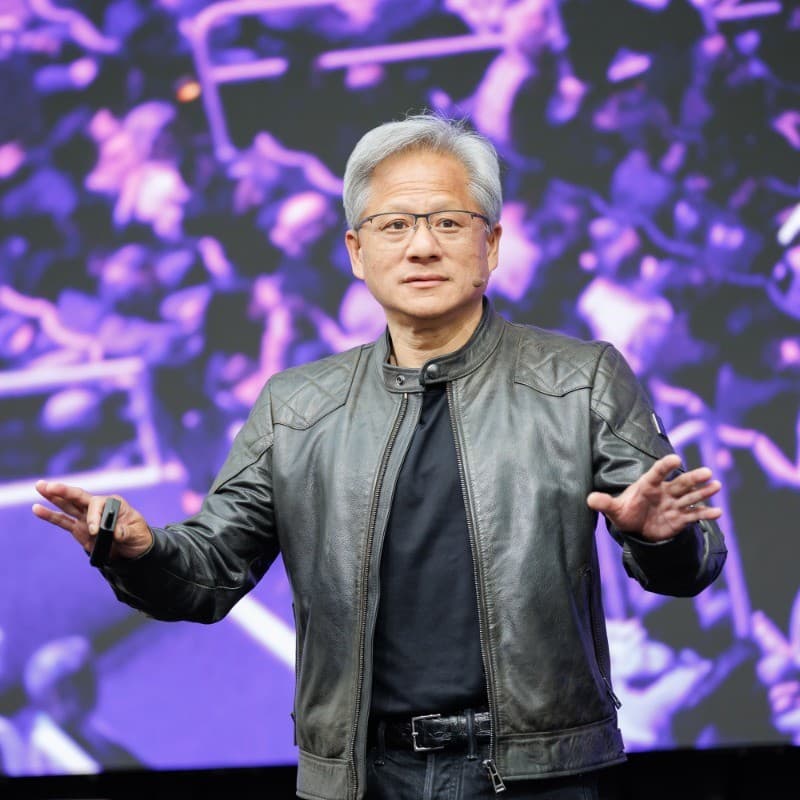 Founder, President & Chief Executive Officer (CEO), NVIDIA
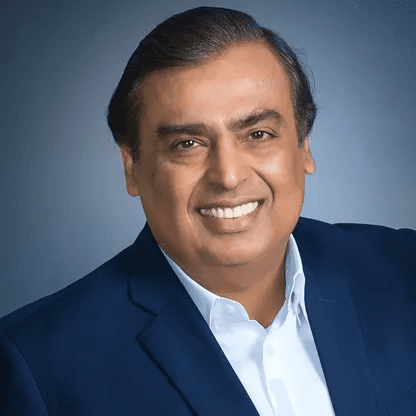 Chairman & Managing Director (Chairman & MD), Reliance Industries Limited
 Chief Global Affairs and Legal Officer, Amazon
 co-founder & Chief Executive Officer (CEO), Google DeepMind
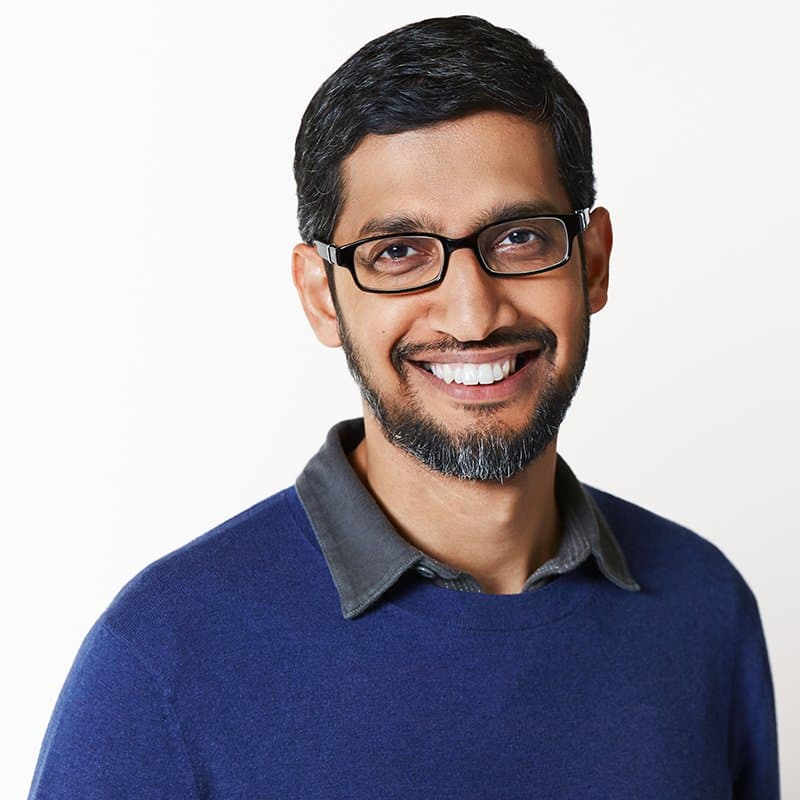 CEO, Google and Alphabet
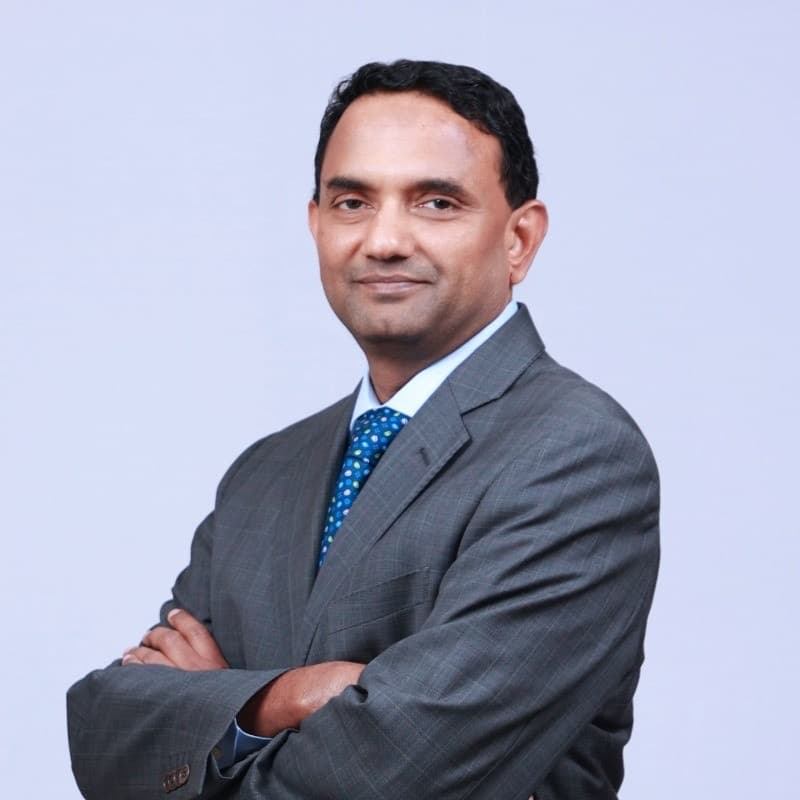 Chief Executive Officer (CEO) and Managing Director, Tata Consultancy Services
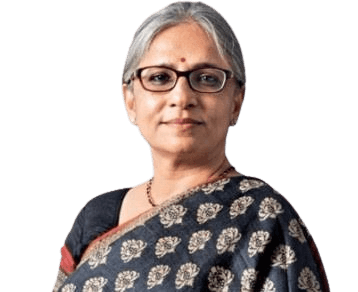 Chief Operating Officer (COO) and Executive Director, Tata Consultancy Services
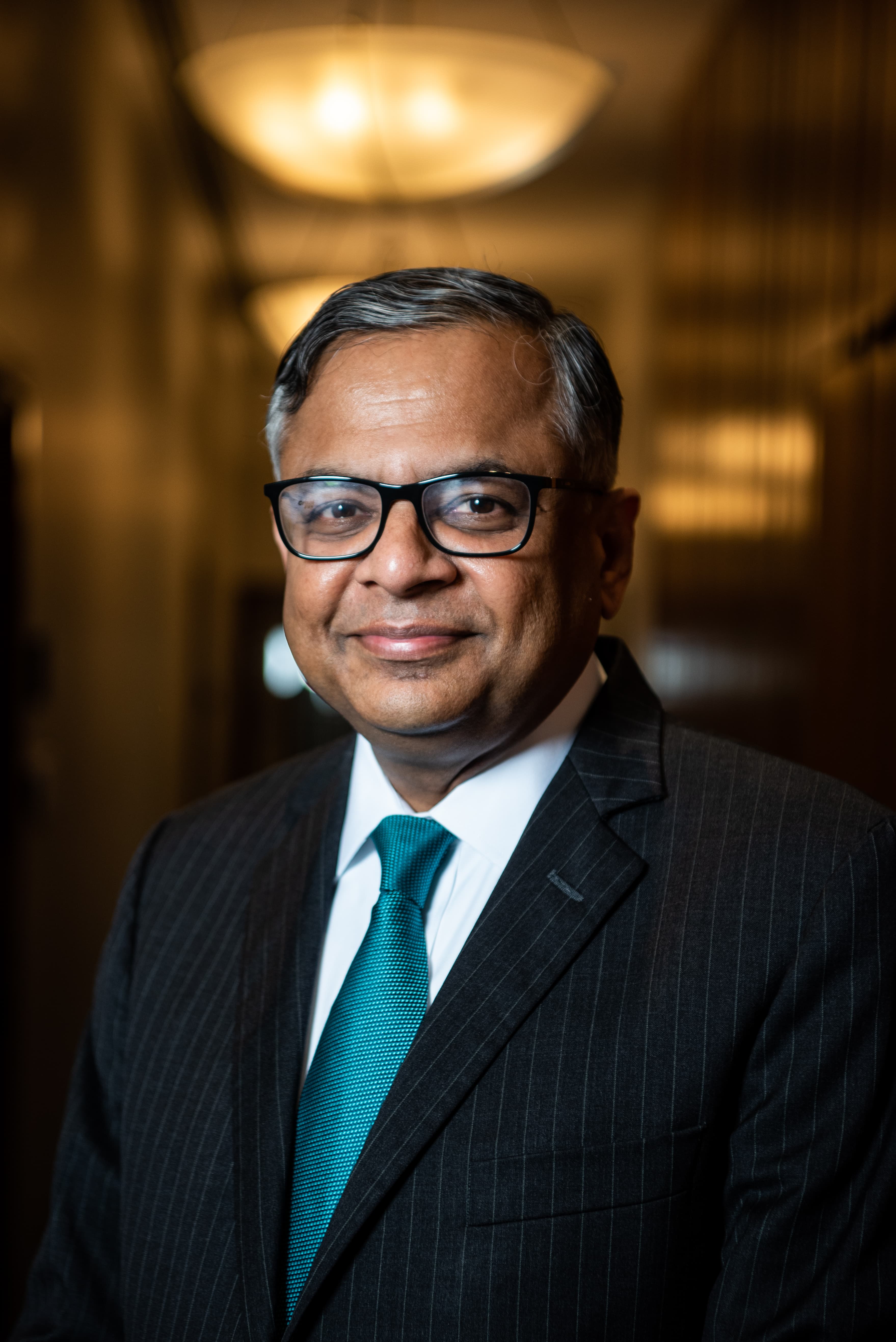 Chairman, Tata Sons
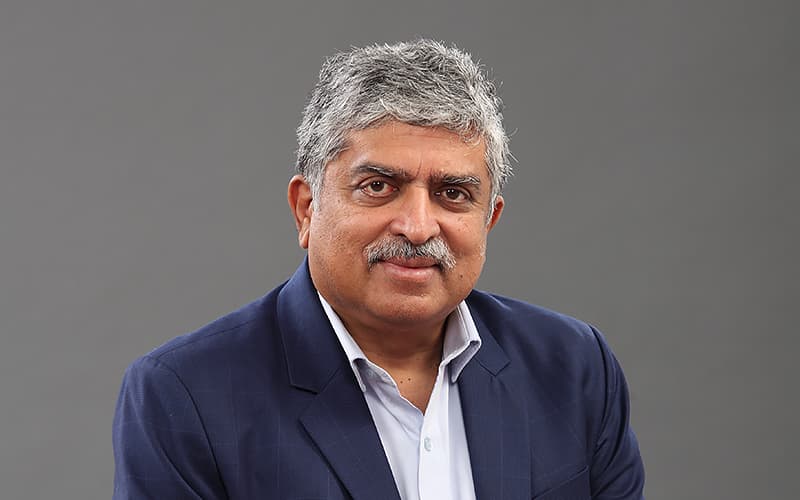 Co-Founder and Chairman, Infosys Technologies Limited
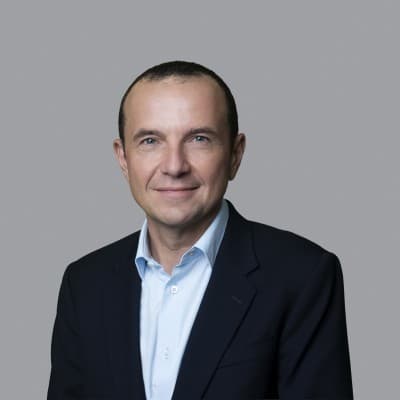 Chief Executive Officer (CEO), Schneider Electric
 lobal Chief Technology and AI Officer, Nokia
 Senior Country Managing Director, Accenture India
 Head of Clients & Industries, KPMG India
 Chief AI Officer, Meta
 President, Chief Product Officer and Chief Operating Officer, Servicenow
-
-
 Co-Founder & Chief Executive Officer (Co-Founder & CEO), Pleias
 Strategic Advisor, Andreessen Horowitz (a16z)
 Chief Operating Officer (COO), Zoom
 President & CEO, Ericsson Group
 hief Technology Officer (CTO), Hexagon AB
 Chief Executive Officer (CEO) & Managing Director, HCLTech
 Chief Executive Officer (CEO), Qualcomm
 Chief Executive, Ofcom
 Chief Executive Officer (CEO), Anthropic
 Chief Technology Officer (CTO), Ericsson
 Head of Global Experience, Sutherland Global
 EO and Co-Founder, Razorpay
 Officiating Director-General, NAMTECH
 Vice President, Wipro
 President, Research, Labs, Technology & Society, Google and Alphabet
 President and CEO, Information Technology Industry Council (ITI)
 Chief Executive Officer (CEO), Chairman, and Founder, Zscaler
 President & Chief Product Officer, Cisco
 Chief Executive Officer (CEO), Scanline VFX
 CEO, Soufflet Malt
 Chair & CEO, Accenture
 Joint Managing Director, Acevector
 Executive Vice President and Chief Technology Officer, NXP Semiconductors
 Chief executive officer in charge of Finance, IT, Legal and M&A, InVivo
-
-
 Co-Founder and CEO, Cloudflare
 Senior Vice President, Research, Autodesk
 Group Director (Communications & Networks) and Executive Board Member, Ofcom
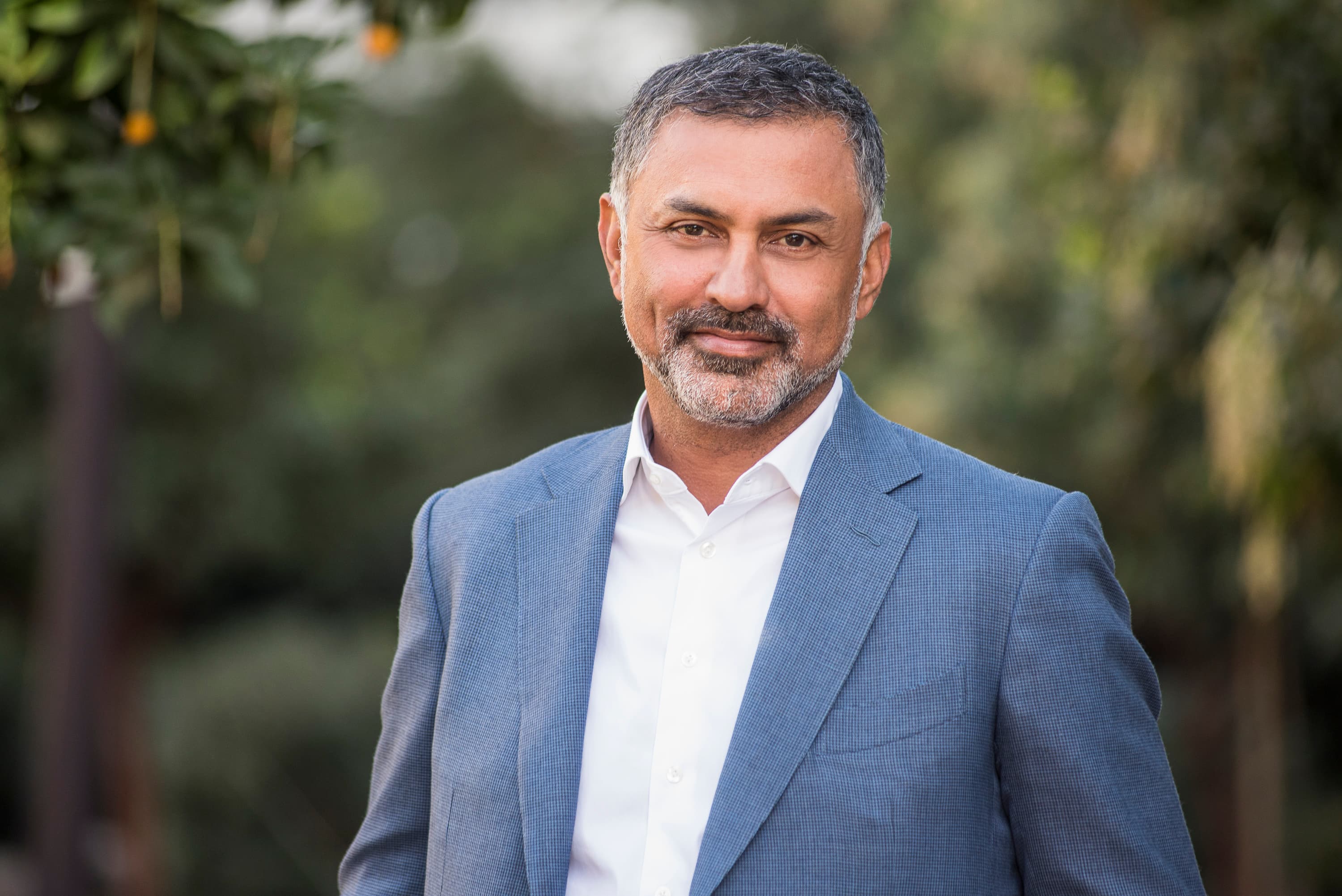 Chairman and Chief Executive Officer (CEO), Palo Alto Networks
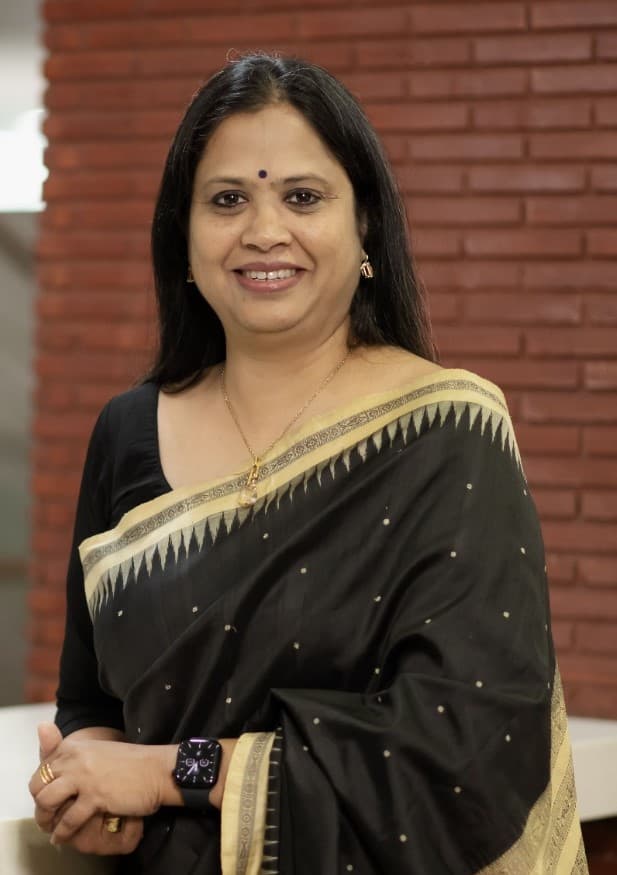 Managing Director, Adobe India
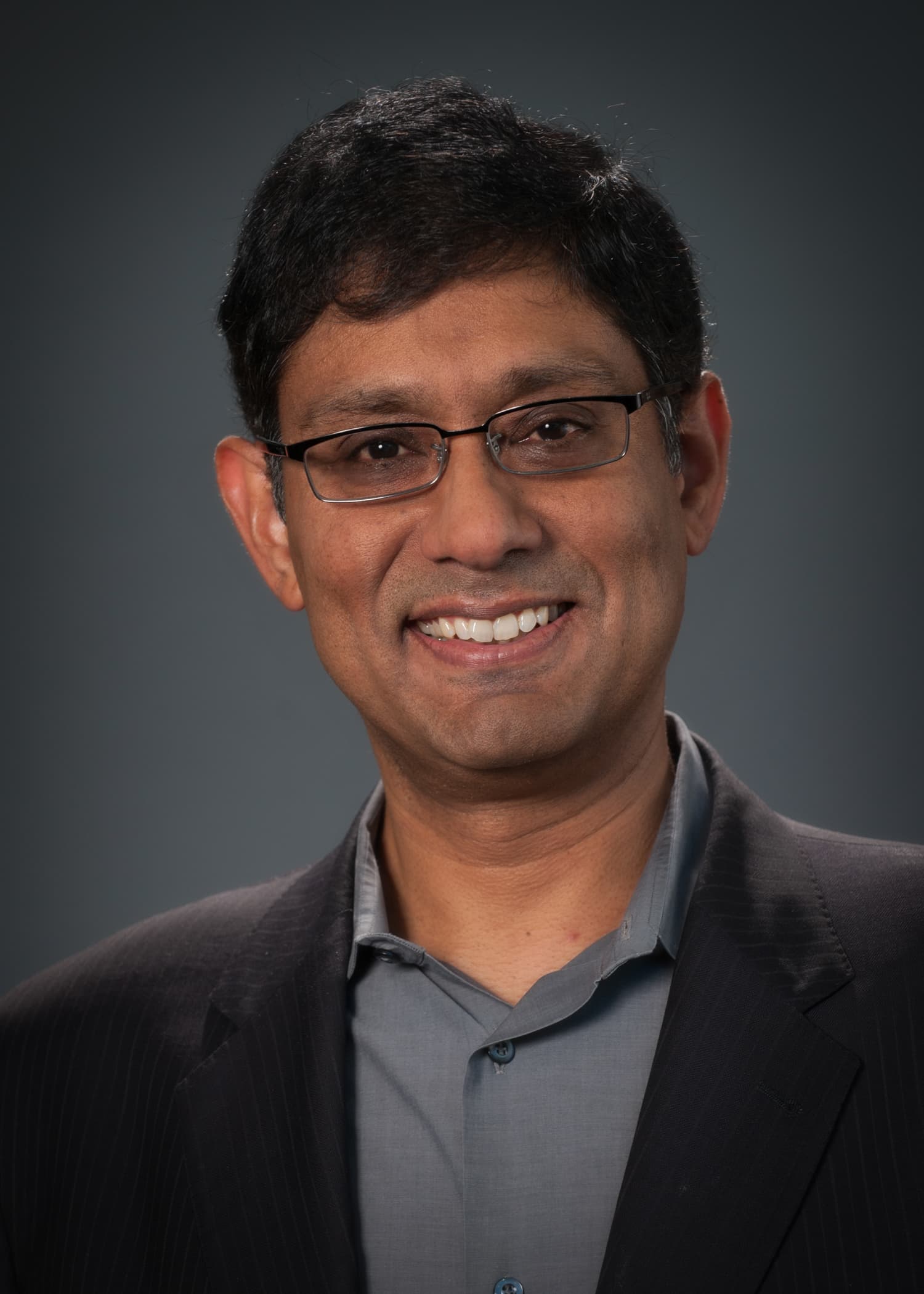 Senior Vice President of Innovation, Synopsys
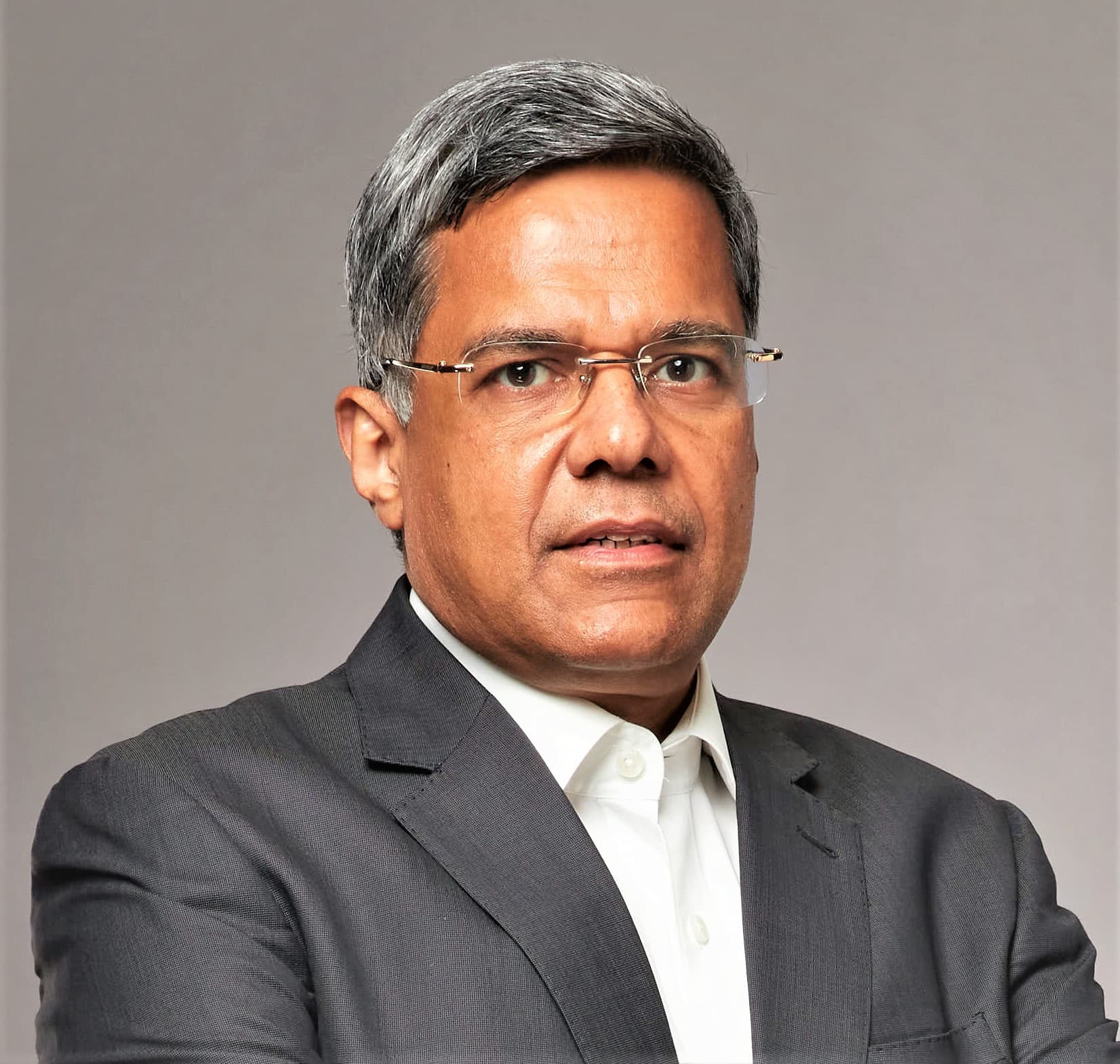 OO - Corporate Functions, HCLTech
 CEO & President, FedEx
 Chief Executive Officer (CEO), ESET
 Chairperson, HCLTech
 Chief Executive Officer (CEO), Royal Philips
 Chief Digital and Information Officer, Group Functions & Country Head, India, NatWest Group
 Founder & CEO, Net Solutions
 ice President, ArcelorMittal
 MD & Vice President, India region, Intel
 Chair and Chief Executive Officer (CEO), Adobe
 Founder and Chairman, Bharti Enterprises
 CEO, InVivo
 EO, Business Software Alliance
 CTO and Head of Ecosystems, HCLTech
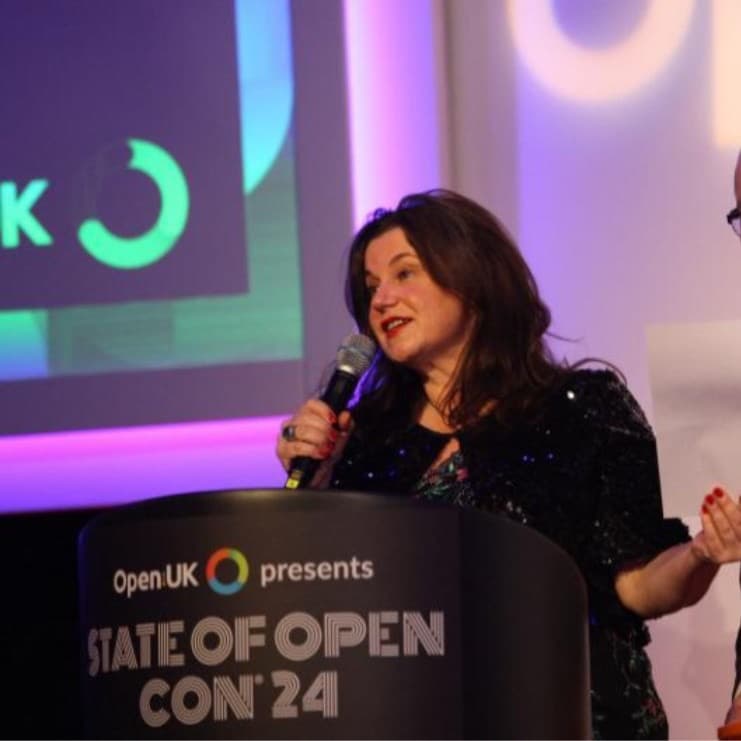 Chief Executive Officer (CEO), OpenUK
 Chief Executive Officer (CEO), Creative Commons
-
-
 Chair, Gates Foundation
 President and CEO, World Economic Forum
 Senior Fellow, Harvard Belfer Center & ADIALab (UAE)
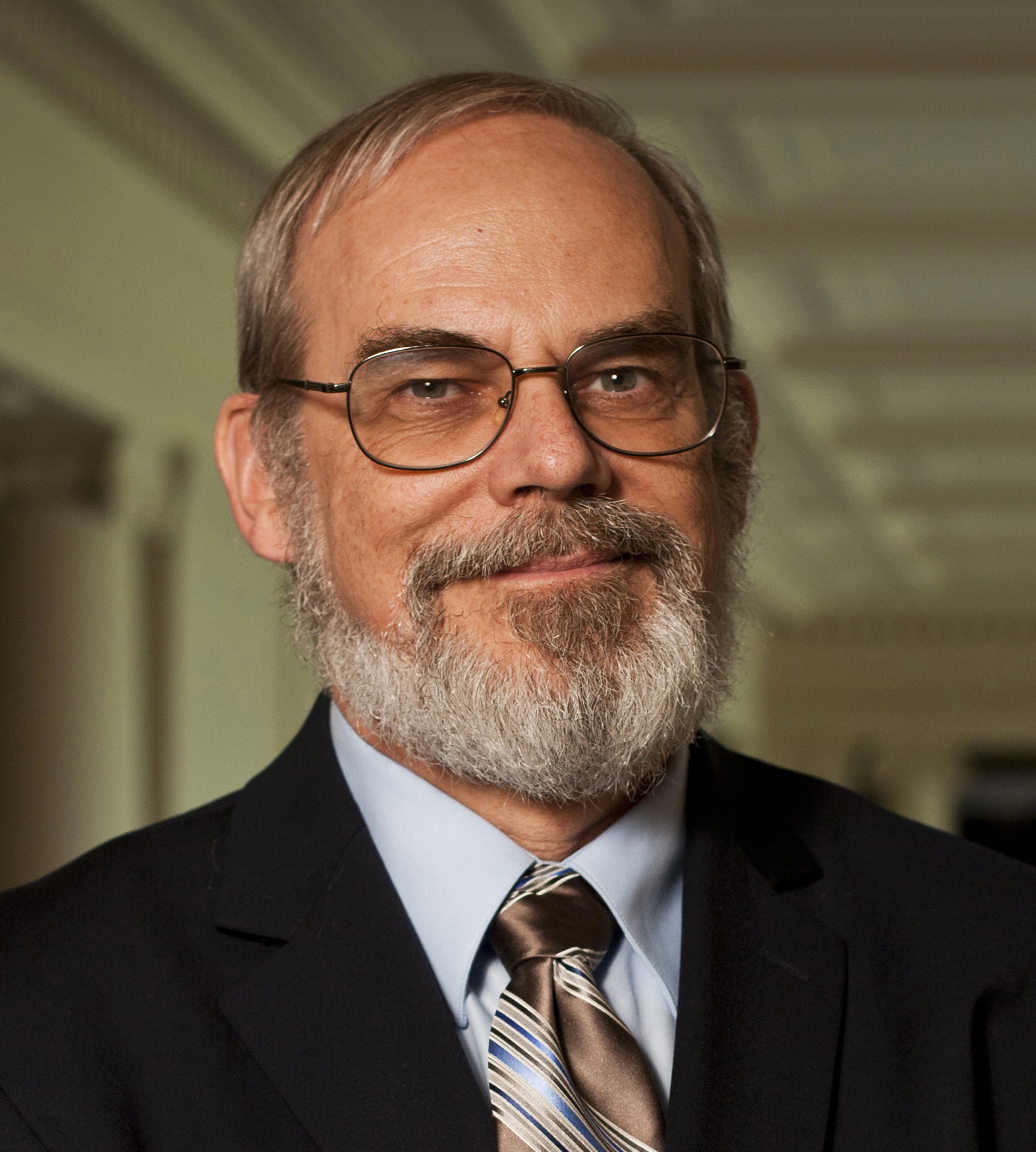 Chancellor for Academic Advancement, Massachusetts Institute of Technology
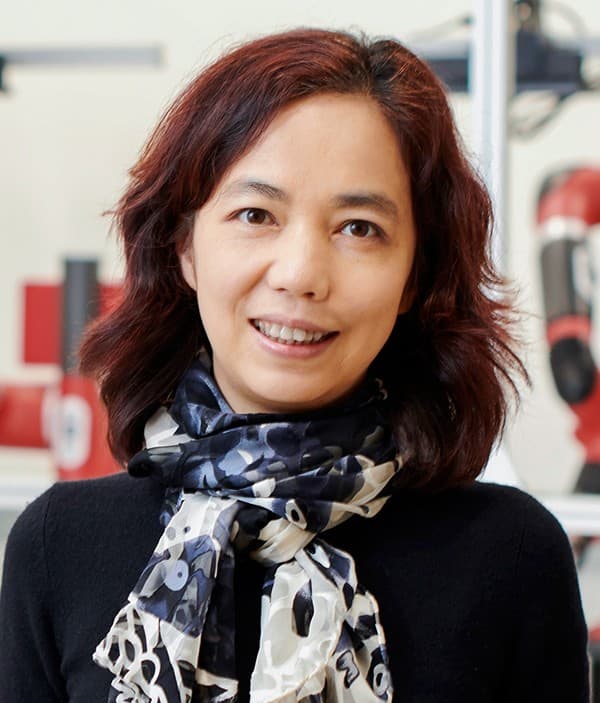 Professor of Computer Science Stanford University, Ceo worldlabs.ai
 President & CEO, IAPP
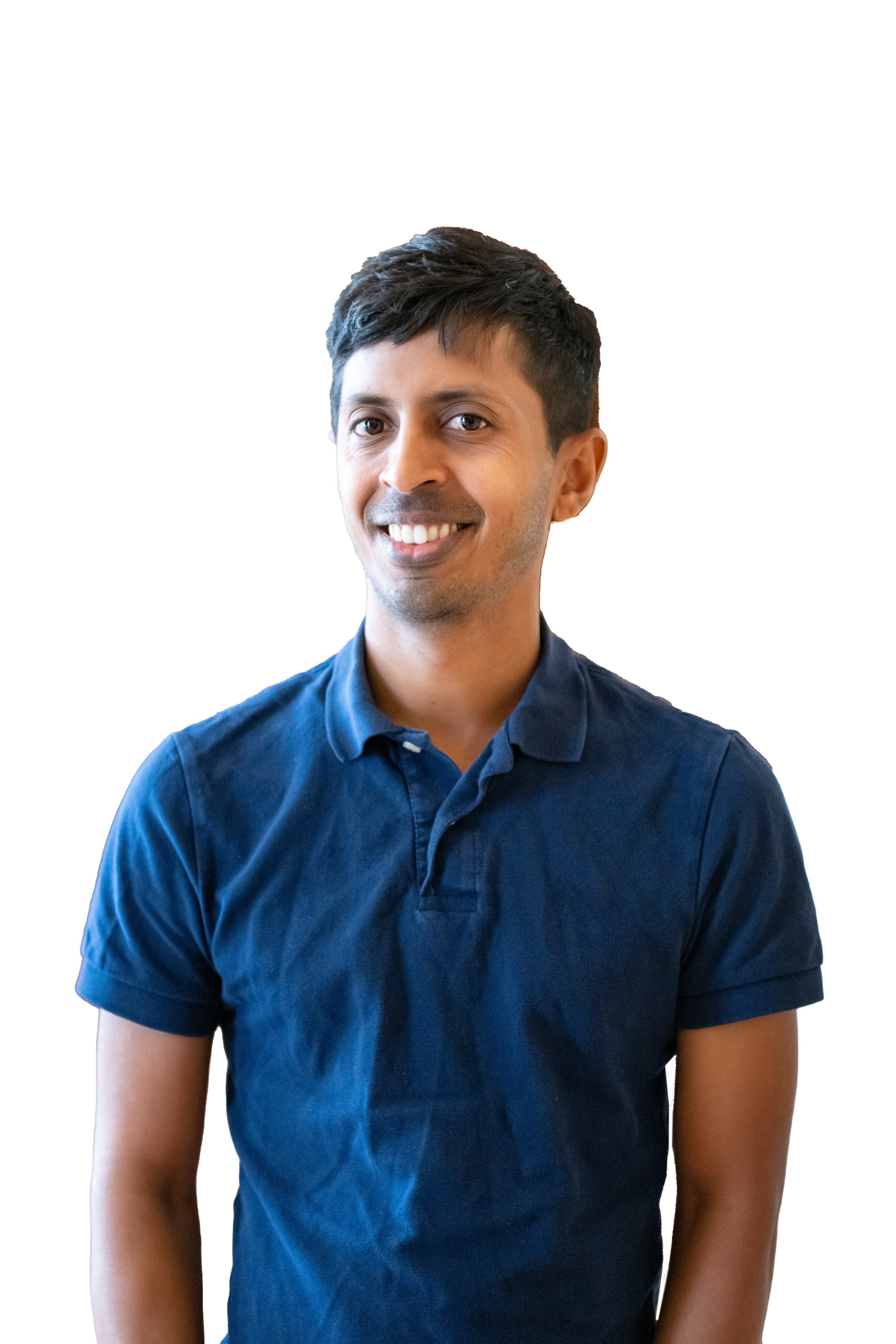 Chief Technology Officer (CTO), Coursera
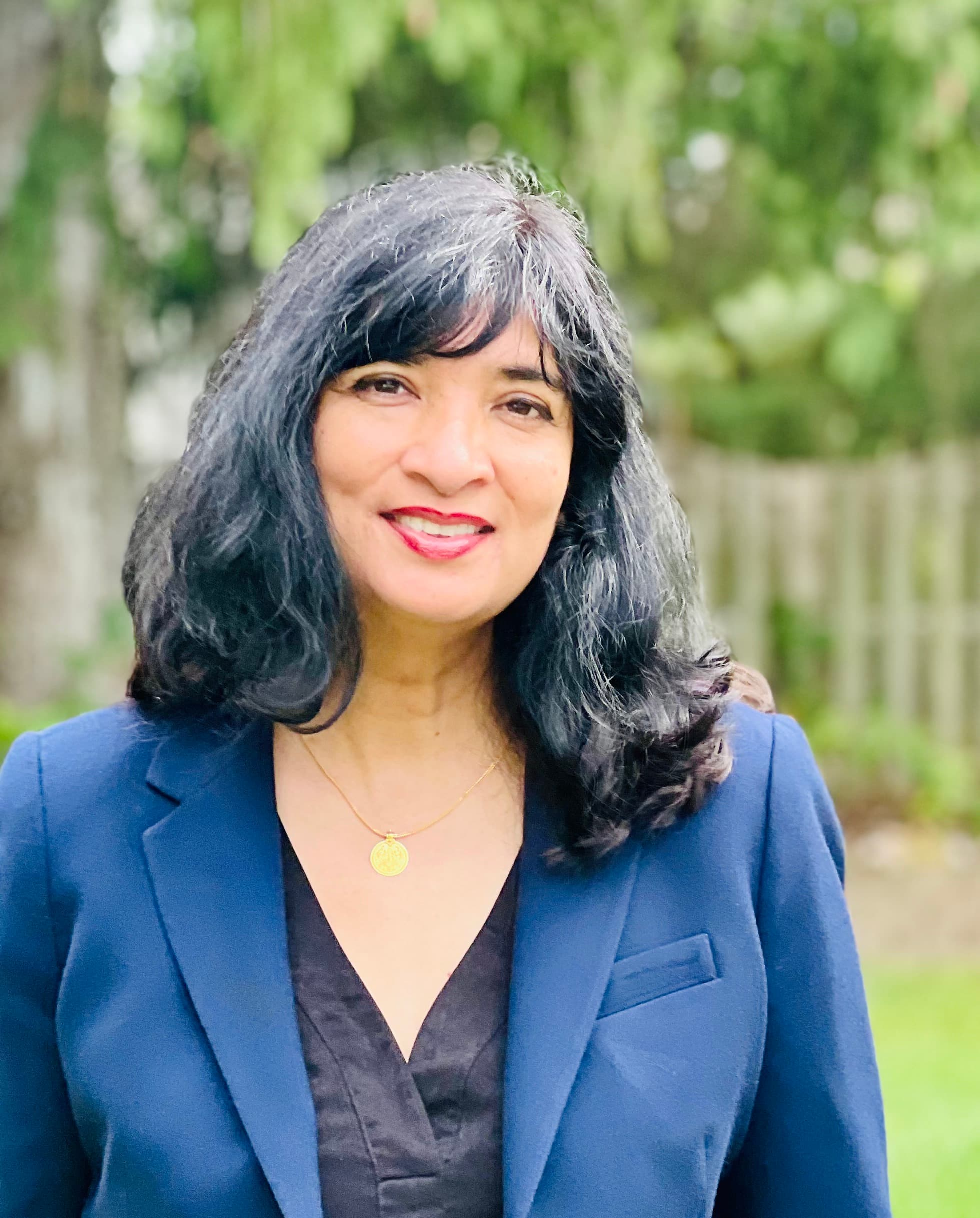 Adjunct Professor - School of Communication and Information, Rutgers, The State University of New Jersey
 rofessor, Computer Science and Robotics in the School of Computer Science,Carnegie Mellon University
 Vhief Financial Officer, IIT Bay Area Alumni
 Professor, University of California, Berkeley
-
-
The summit is organised around three pillars called 'Sutras' — People, Planet, and Progress. These branch into seven 'Chakras' or working groups. Over 700 session proposals have been received. The attendee list include:
- Sundar Pichai (Google) & Demis Hassabis (Google DeepMind)
- Dario Amodei (Anthropic)
- Alexandr Wang (Meta)
- Cristiano Amon (Qualcomm)
- Nikesh Arora (Palo Alto Networks)
- Shantannu Narayan (Adobe)
- Sam Altman (OpenAI) and others.
Indian industrial titans include:
- Mukesh Ambani (Reliance Industries)
- Sunil Bharti Mittal (Bharti Enterprises)
- K. Krithivasan (TCS)
- Nandan Nilekani (Infosys)
- N. Chandrasekaran (Tata Group)
Why Big Tech is lining up for AI in India
India generates nearly 20% of the world's data, and has the second-largest AI workforce as well as over 700 million internet users – providing a huge business opportunity for them to tap the growing base.
Anthropic has hired former Microsoft India MD Irina Ghose to lead its India operations while OpenAI has set up a dedicated sales division here. Google and Microsoft have partnered with the government to push AI in education. Recently, finance minister Nirmala Sitharaman announced a 21-year tax holiday for data centres – seen as a welcome step to boost India’s IT sector.
-
-
Mukesh Ambani (Chairman of Reliance Industries) did indeed announce a massive investment plan in AI infrastructure during the India AI Impact Summit 2026 (held February 16–20 in New Delhi).On February 19, 2026, Ambani stated that Reliance Industries and its telecom arm Jio will invest approximately ₹10 lakh crore (equivalent to $110 billion at current exchange rates) over the next seven years (starting from 2026) to build AI-related infrastructure and services in India.Key Details from the Announcement
- Amount: ₹10 lakh crore (~$110 billion USD).
- Timeframe: Over the next 7 years (2026–2033).
- Purpose: To create sovereign AI computing capacity, gigawatt-scale data centers (including AI-ready ones at Jamnagar), a nationwide edge computing network, and affordable AI services integrated with Jio's telecom platform.
- Quote from Ambani: “This is not a speculative investment... This is patient, disciplined, nation-building capital to build resilience and capabilities for decades to come.”
- Context: He emphasized making “intelligence as ubiquitous as connectivity” and reducing dependence on foreign AI compute, aligning with India's push for sovereign AI.
- Reuters (Feb 19, 2026): Reliance committing ~$110 billion over 7 years.
- Bloomberg (Feb 19, 2026): “Ambani’s Reliance to Invest $110 Billion in AI Infrastructure.”
- The Economic Times and Business Standard (Feb 19, 2026): ₹10 lakh crore over 7 years.
- TechCrunch and Nikkei Asia (Feb 19, 2026): Same $110 billion figure over 7 years.
25 web pagesCompare to Adani's planIndia's sovereign AI strategy
-
-
Details on New Delhi DeclarationSearching the web19 resultsThe New Delhi Declaration on AI Impact (formally titled the "New Delhi Declaration" or "AI Impact Summit Declaration") was adopted on February 19, 2026, at the conclusion of the India AI Impact Summit held in New Delhi (February 16–20, 2026). It represents the summit's primary diplomatic outcome: a non-binding, aspirational multilateral statement endorsed by approximately 86–91 countries and international organizations (sources vary slightly; most report 86–89, including major powers like the US, China, Russia, EU members, and Global South nations). The US and China both signed/endorsed, marking a broader consensus than the 2025 Paris summit (which the US skipped due to risk/inclusivity concerns).The declaration is structured around India's vision of inclusive, human-centric, development-oriented AI, rooted in principles like "Sarvajan Hitaya, Sarvajan Sukhaya" (welfare and happiness for all) and "Vasudhaiva Kutumbakam" (the world is one family). It emphasizes shifting from dialogue to demonstrable impact, democratizing access, and bridging divides—particularly for the Global South.Key Points and Core CommitmentsThe document is largely aspirational and voluntary (no binding enforcement), focusing on shared principles rather than strict obligations. Main elements include:
- Preamble/Principles:
- AI's promise is best realized when benefits are shared equitably ("Sarvajan Hitaya").
- Emphasis on human-centric, inclusive, trustworthy, and sustainable AI.
- Recognition of AI's potential for economic/social good while addressing risks like inequality, energy demands, and ethical concerns.
- Thematic Pillars (Tied to 7 Chakras):
- People: Human capital development, skilling, and workforce transitions.
- Planet: Responsible innovation, energy efficiency, low-carbon AI.
- Progress: Transparency, inclusive growth, and democratizing resources.
- Broader calls for safe/trusted AI, resilience, science collaboration, and social/economic impact.
- Specific Outcomes/Commitments:
- Charter for the Democratic Diffusion of AI: Voluntary framework to expand affordable access to foundational AI resources and spur local innovation.
- Alliance for Advancing Inclusion Through AI: Focus on gender equity, Global South empowerment, and scalable AI-for-good applications.
- Framework for the Trusted AI Commons: Sharing anonymized insights for evidence-based policymaking and multilingual/contextual evaluations.
- New Delhi Frontier AI Impact Commitments: Voluntary pledges from tech leaders for real-world usage insights and strengthened evaluations.
- Other Initiatives: AI and Child Safety, AI and Climate, Human Flourishing with AI—voluntary commitments for safeguards and societal benefits.
- Endorsements and Momentum:
- Broad support (e.g., 91 entities per some reports), including the US (despite prior rejections) and China.
- No mention of military AI, deepfakes, disinformation, or content integrity (criticized by groups like Reporters Without Borders for gaps).
- Accompanied by investment pledges: Over $200 billion in AI infrastructure (e.g., data centers, compute), partnerships (OpenAI/Anthropic with Indian firms), and Google's $60 million for public services/research.
- Non-binding/Aspirational: Lacks enforcement; uses soft language like "take note" and "voluntary."
- Omissions: No direct address of military AI, disinformation/deepfakes, or media sustainability; sidesteps frontier risks (e.g., agents, hardware/infrastructure debates).
- Gaps in Governance: Critics note it prioritizes rhetoric over concrete mechanisms for trustworthy information or global standards.
19 web pageExcerpts fromsthe Declaration2027 Geneva AI Summit - Preamble/Principles:
-
-
2027 Geneva AI SummitSearching the web27 resultsThe 2027 Geneva AI Summit (also referred to as the Global AI Summit, AI Impact Summit, or simply the next in the World AI Summit series) is confirmed to take place in Geneva, Switzerland, in 2027 (likely in the first half of the year, though exact dates are not yet finalized as of late February 2026). This follows the India AI Impact Summit 2026 in New Delhi, where Swiss President Guy Parmelin made the formal announcement on February 19, 2026, during high-level sessions with Indian Prime Minister Narendra Modi and other leaders.Background and Confirmation Process
- The series (often called the AI World Series or AI Safety/Impact Summits) began with the UK-hosted Bletchley Park Summit (2023, safety focus), followed by Seoul (2024), Paris (2025), and New Delhi (2026, impact/development focus).
- Switzerland expressed interest as early as 2025, with the Federal Council (government) reaffirming willingness in January 2026 and securing funding/preparations through the Federal Department of Economic Affairs, Education and Research (EAER) and Foreign Affairs (FDFA).
- The final decision was made at the New Delhi summit, with Parmelin stating:“Switzerland is looking forward to hosting the 2027 AI Summit in Geneva — and to working with the subsequent incoming host of the 2028 AI Summit, the United Arab Emirates, as partner for the Geneva Summit.”
- Home to major UN agencies (e.g., ITU for telecom standards, WHO for health protocols, and the Conference on Disarmament).
- Neutrality and tradition in hosting sensitive global talks (e.g., peace negotiations, nuclear risk reduction).
- Strong AI ecosystem (ETH Zurich/EPFL research, Swiss AI Trinity: entrepreneurship in Zurich, governance in Geneva, subsidiarity/community focus).
- Emphasis on practical, human-centered AI transformation—bridging innovation, ethics, and distributed empowerment rather than centralized control or hype/fear.
- Inclusive governance and subsidiarity (empowering communities/local levels with AI).
- Responsible adoption in society/economy.
- Bridging divides between major powers and smaller nations/Global South.
- The announcement was a highlight of the India summit, with Parmelin meeting Modi to discuss bilateral AI/tech ties (e.g., post-India-EFTA trade agreement cooperation).
- Preparations are underway: The Federal Council has allocated resources, and Switzerland is positioning Geneva as a "stage" for credible global dialogue.
- No detailed agenda, dates, or themes are public yet—expect focus on building from New Delhi's New Delhi Declaration (equitable access, inclusion, safe AI, energy efficiency) toward implementation and governance.
- Momentum includes calls for the summit to advance beyond dialogue (e.g., toward distributed empowerment and nuanced understanding of AI's societal role).
27 web pagesDetails on New Delhi Declaration2028 UAE AI Summit
About
ENTREPRENEURIAL REVOLUTION NETWORK BENCHMARKS 2025now : Remembering Norman Macrae
Chartering 5 Layer AI Agency - integrating exponential intergenerational multipliers of trusted human relationship systems through community scaling apps
AsiaAI.docx where & how 2/3 human brains are celebrating AI livelihoods
====
lelated US AI reports:
chris.macrae@yahoo.co.uk :help celebrate library of INTELLIGENCE multipliers: -system map
- Action Apps
- Millions of AI Agents 1 2 3
- Software sovereign infrastructure
- Chips1 & Supercomputers
- Energy: Genesis
- Fusion SCSP-FI -F2
- Quantum
- Critical Minerals: Pax
- Space
- Edu-media rev li>Nature
- workforce 1
cvchrismacrae.docx - Data Science
- Geonomics 1
views on whether AGI exists
- how close are google aws or huawei to nvidia
2025REPORT-ER: Entrepreneurial Revolution est 1976; Neumann Intelligence Unit at The Economist since 1951. Norman Macrae's & friends 75 year mediation of engineers of computing & autonomous machines has reached overtime: Big Brother vs Little Sister !?
Overtime help ed weekly quizzes on Gemini of Musk & Top 10 AI brains until us election nov 2028
unaiwho.docx version 6/6/22 hunt for 100 helping guterres most with UN2.0
RSVP chris.macrae@yahoo.co.uk
Prep for UNSUMMITFUTURE.com
JOIN SEARCH FOR UNDER 30s MOST MASSIVE COLLABS FOR HUMAN SUSTAINABILITY
1 Jensen Huang 2 Demis Hassabis 3 Dei-Fei Li 4 King Charles
5 Bezos Earth (10 bn) 6 Bloomberg JohnsHopkins cbestAI.docx 7 Banga
8 Maurice Chang 9 Mr & Mrs Jerry Yang 10 Mr & Mrs Joseph Tsai 11 Musk
12 Fazle Abed 13 Ms & Mr Steve Jobs 14 Melinda Gates 15 BJ King 16 Benioff
17 Naomi Osaka 18 Jap Emperor Family 19 Akio Morita 20 Mayor Koike
The Economist 1982 why not Silicon AI Valley Everywhere 21 Founder Sequoia 22 Mr/Mrs Anne Doerr 23 Condi Rice
23 MS & Mr Filo 24 Horvitz 25 Michael Littman NSF 26 Romano Prodi 27 Andrew Ng 29 Lila Ibrahim 28 Daphne Koller
30 Mayo Son 31 Li Ka Shing 32 Lee Kuan Yew 33 Lisa Su 34 ARM 36 Priscilla Chan
38 Agnelli Family 35 Ms Tan & Mr Joe White
37 Yann Lecun 39 Dutch Royal family 40 Romano Prodi
41 Kramer 42 Tirole 43 Rachel Glennerster 44 Tata 45 Manmohan Singh 46 Nilekani 47 James Grant 48 JimKim, 49 Guterres
50 attenborough 51 Gandhi 52 Freud 53 St Theresa 54 Montessori 55 Sunita Gandhu,56 paulo freire 57 Marshall Mcluhan58 Andrew Sreer 59 Lauren Sanchez, 60 David Zapolski
61 Harris 62 Chips Act Raimundo 63 oiv Newsom. 64 Arati Prab hakarm,65 Jennifer Doudna CrispR, 66 Oren Etsioni,67 Robert Reisch,68 Jim Srreyer 69 Sheika Moza
- 3/21/22 HAPPY 50th Birthday TO WORLD'S MOST SUSTAINABLE ECONOMY- ASIAN WOMEN SUPERVILLAGE
Since gaining my MA statistics Cambridge DAMTP 1973 (Corpus Christi College) my special sibject has been community building networks- these are the 6 most exciting collaboration opportunities my life has been privileged to map - the first two evolved as grassroots person to person networks before 1996 in tropical Asian places where village women had no access to electricity grids nor phones- then came mobile and solar entrepreneurial revolutions!!
COLLAB platforms of livesmatter communities to mediate public and private -poorest village mothers empowering end of poverty 5.1 5.2 5.3 5.4 5.5 5.6
4 livelihood edu for all
3 last mile health services 3.1 3,2 3.3 3.4 3.5 3.6
last mile nutrition 2.1 2.2 2.3 2.4 2.5 2,6
banking for all workers 1.1 1.2 1.3 1.4 1.5 1.6
NEWS FROM LIBRARY NORMAN MACRAE -latest publication 2021 translation into japanese biography of von neumann:
Below: neat German catalogue (about half of dad's signed works) but expensive -interesting to see how Germans selected the parts they like over time: eg omitted 1962 Consider Japan The Economist
feel free to ask if free versions are available
0 The coming entrepreneurial revolution : a survey - In: The economist 261 (1976), pp. 41-65 cited 105
. we scots are less than 4/1000 of the worlds and 3/4 are Diaspora - immigrants in others countries. Since 2008 I have been celebrating Bangladesh Women Empowerment solutions wth NY graduates. Now I want to host love each others events in new york starting this week with hong kong-contact me if we can celebrate anoither countries winm-wins with new yorkers
mapping OTHER ECONOMIES:
50 SMALLEST ISLAND NATIONS
TWO Macroeconomies FROM SIXTH OF PEOPLE WHO ARE WHITE & war-prone
ADemocratic
Russian
=============
From 60%+ people =Asian Supercity (60TH YEAR OF ECONOMIST REPORTING - SEE CONSIDER JAPAN1962)
Far South - eg African, Latin Am, Australasia
Earth's other economies : Arctic, Antarctic, Dessert, Rainforest
===========
In addition to how the 5 primary sdgs1-5 are gravitated we see 6 transformation factors as most critical to sustainability of 2020-2025-2030
Xfactors to 2030 Xclimate XAI Xinfra Xyouth Wwomen Xpoor chris.macrae@yahoo.co.uk (scot currently in washington DC)- in 1984 i co-authored 2025 report with dad norman.
|
Asia Rising Surveys
Entrepreneurial Revolution -would endgame of one 40-year generations of applying Industrial Revolution 3,4 lead to sustainability of extinction 1972's Next 40 Years ;1976's Coming Entrepreneurial Revolution; 12 week leaders debate 1982's We're All Intrapreneurial Now
|
The Economist had been founded in 1843" marking one of 6 exponential timeframes "Future Histores"
IN ASSOCIATION WITH ADAMSMITH.app :
we offer worldwide mapping view points from
and these viewpoints:
40 years ago -early 1980s when we first framed 2025 report;
from 1960s when 100 times more tech per decade was due to compound industrial revolutions 3,4
1945 birth of UN
1843 when the economist was founded
1760s - adam smithian 2 views : last of pre-engineering era; first 16 years of engineering ra including america's declaration of independence- in essence this meant that to 1914 continental scaling of engineeriing would be separate new world <.old world
IF we 8 billion earthlings of the 2020s are to celebrate collaboration escapes from extinction, the knowhow of the billion asian poorest women networks will be invaluable -
in mathematically connected ways so will the stories of diaspora scots and the greatest mathematicians ever home schooled -central european jewish teens who emigrated eg Neumann , Einstein ... to USA 2nd quarter of the 20th century; it is on such diversity that entrepreneurial revolution diaries have been shaped
EconomistPOOR.com : Dad was born in the USSR in 1923 - his dad served in British Embassies. Dad's curiosity enjoyed the opposite of a standard examined education. From 11+ Norman observed results of domination of humans by mad white men - Stalin from being in British Embassy in Moscow to 1936; Hitler in Embassy of last Adriatic port used by Jews to escape Hitler. Then dad spent his last days as a teen in allied bomber command navigating airplanes stationed at modernday Myanmar. Surviving thanks to the Americas dad was in Keynes last class where he was taught that only a handful of system designers control what futures are possible. EconomistScotland.com AbedMooc.com
To help mediate such, question every world eventwith optimistic rationalism, my father's 2000 articles at The Economist interpret all sorts of future spins. After his 15th year he was permitted one signed survey a year. In the mid 1950s he had met John Von Neumann whom he become biographer to , and was the only journalist at Messina's's birth of EU. == If you only have time for one download this one page tour of COLLABorations composed by Fazle Abed and networked by billion poorest village women offers clues to sustainability from the ground up like no white ruler has ever felt or morally audited. by London Scot James Wilson. Could Queen Victoria change empire fro slavemaking to commonwealth? Some say Victoria liked the challenge James set her, others that she gave him a poison pill assignment. Thus James arrived in Calcutta 1860 with the Queens permission to charter a bank by and for Indian people. Within 9 months he died of diarrhea. 75 years later Calcutta was where the Young Fazle Abed grew up - his family accounted for some of the biggest traders. Only to be partitioned back at age 11 to his family's home region in the far north east of what had been British Raj India but was now to be ruled by Pakistan for 25 years. Age 18 Abed made the trek to Glasgow University to study naval engineering.
- 7 Middle East & Stans
- 8 Med Sea
- 9 Africa
- 10 Latin Am /Carib
- 11 Arctic Circle
- 12 UN
1943 marked centenary autobio of The Economist and my teenage dad Norman prepping to be navigator allied bomber command Burma Campaign -thanks to US dad survived, finished in last class of Keynes. before starting 5 decades at The Economist; after 15 years he was allowed to sign one survey a year starting in 1962 with the scoop that Japan (Korea S, Taiwan soon hk singapore) had found development mp0de;s for all Asian to rise. Rural Keynes could end village poverty & starvation; supercity win-win trades could celebrate Neumanns gift of 100 times more tech per decade (see macrae bio of von neumann)
Since 1960 the legacy of von neumann means ever decade multiplies 100 times more micro-technology- an unprecedented time for better or worse of all earthdwellers; 2025 timelined and mapped innovation exponentials - education, health, go green etc - (opportunities threats) to celebrating sustainability generation by 2025; dad parted from earth 2010; since then 2 journals by adam smith scholars out of Glasgow where engines began in 1760- Social Business; New Economics have invited academic worlds and young graduates to question where the human race is going - after 30 business trips to wealthier parts of Asia, through 2010s I have mainly sherpa's young journalist to Bangladesh - we are filing 50 years of cases on women empowerment at these web sites AbedMOOC.com FazleAbed.com EconomistPoor.com EconomistUN.com WorldRecordjobs.com Economistwomen.com Economistyouth.com EconomistDiary.com UNsummitfuture.com - in my view how a billion asian women linked together to end extreme poverty across continental asia is the greatest and happiest miracle anyone can take notes on - please note the rest of this column does not reflect my current maps of how or where the younger half of the world need to linkin to be the first sdg generation......its more like an old scrap book
how do humans design futures?-in the 2020s decade of the sdgs – this question has never had more urgency. to be or not to be/ – ref to lessons of deming or keynes, or glasgow university alumni smith and 200 years of hi-trust economics mapmaking later fazle abed - we now know how-a man made system is defined by one goal uniting generations- a system multiplies connected peoples work and demands either accelerating progress to its goal or collapsing - sir fazle abed died dec 2020 - so who are his most active scholars climate adaptability where cop26 november will be a great chance to renuite with 260 years of adam smith and james watts purposes t end poverty-specifically we interpret sdg 1 as meaning next girl or boy born has fair chance at free happy an productive life as we seek to make any community a child is born into a thriving space to grow up between discover of new worlds in 1500 and 1945 systems got worse and worse on the goal eg processes like slavery emerged- and ultimately the world was designed around a handful of big empires and often only the most powerful men in those empires. 4 amazing human-tech systems were invented to start massive use by 1960 borlaug agriculture and related solutions every poorest village (2/3people still had no access to electricity) could action learn person to person- deming engineering whose goal was zero defects by helping workers humanize machines- this could even allowed thousands of small suppliers to be best at one part in machines assembled from all those parts) – although americans invented these solution asia most needed them and joyfully became world class at them- up to 2 billion people were helped to end poverty through sharing this knowhow- unlike consuming up things actionable knowhow multiplies value in use when it links through every community that needs it the other two technologies space and media and satellite telecoms, and digital analytic power looked promising- by 1965 alumni of moore promised to multiply 100 fold efficiency of these core tech each decade to 2030- that would be a trillion tmes moore than was needed to land on the moon in 1960s. you might think this tech could improve race to end poverty- and initially it did but by 1990 it was designed around the long term goal of making 10 men richer than 40% poorest- these men also got involved in complex vested interests so that the vast majority of politicians in brussels and dc backed the big get bigger - often they used fake media to hide what they were doing to climate and other stuff that a world trebling in population size d\ - we the 3 generations children parents grandparents have until 2030 to design new system orbits gravitated around goal 1 and navigating the un's other 17 goals do you want to help/ 8 cities we spend most time helping students exchange sustainability solutions 2018-2019 BR0 Beijing Hangzhou:
Girls world maps begin at B01 good news reporting with fazleabed.com valuetrue.com and womenuni.com
.==========
online library of norman macrae--
==========
Ma 2 Ali Financial
- 1972's Next 40 Years ;
- 1976's Coming Entrepreneurial Revolution; 12 week leaders debate
- 1982's We're All Intrapreneurial Now
- What will human race produce in 20th C Q4? - Jan 1975
- (1984 book on net generation 3 billion job creation) ...
- 1991 Survey looking forward to The End of Politicians
- 1975 Asian Pacific Century 1975-2075
- 1977 survey China
- first of 4 hemisphere remembrance parties- The Economist Boardroom
health catalogue; energy catalogue
Keynes: 2025now - jobs Creating Gen
.
how poorest women in world build
A01 BRAC health system,
A02 BRAC education system,
A03 BRAC banking system
K01 Twin Health System - Haiti& Boston
Past events EconomistDiary.com
include 15th annual spring collaboration cafe new york - 2022 was withsister city hong kong designers of metaverse for beeings.app
© 2026 Created by chris macrae.
Powered by

