265SmithWatt 75Neumann JHuangDHassabisFLiEMusk 20 Agentic AIforU
KingCharlesLLM DeepLearning009 NormanMacrae.net EconomistDiary.com Abedmooc.com
platforms
https://github.com/NVIDIA-NeMoCan i suggest western media wastes far too much time discussing language models.chats and not enough time discussing platforms
nvidia does a great job of sharing oppen platforms without competing with clients- take seld driviving cars- almost all have at some stage been trained on nvidia's driving platforks
I some t6imes wonder if chats are just a large platform family; i am pretty sure that if needed nvidia could quickly build eg its own coding platforms
all of this becomes a key question in contexts such as agentic ai and world models- be careful these tools may have different impacts within different layer3 national ai data sov infrastructures and data mapping
If you start asking what are world changing platforms you start to get surrounded with ai miracles - well look at examples to see what i mean
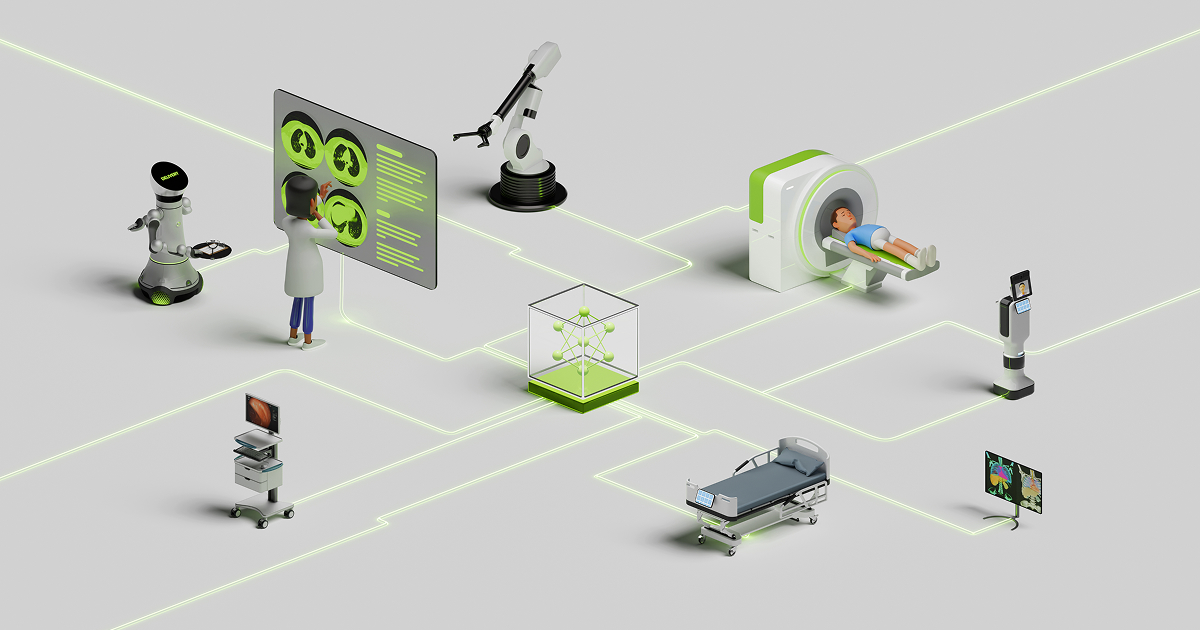
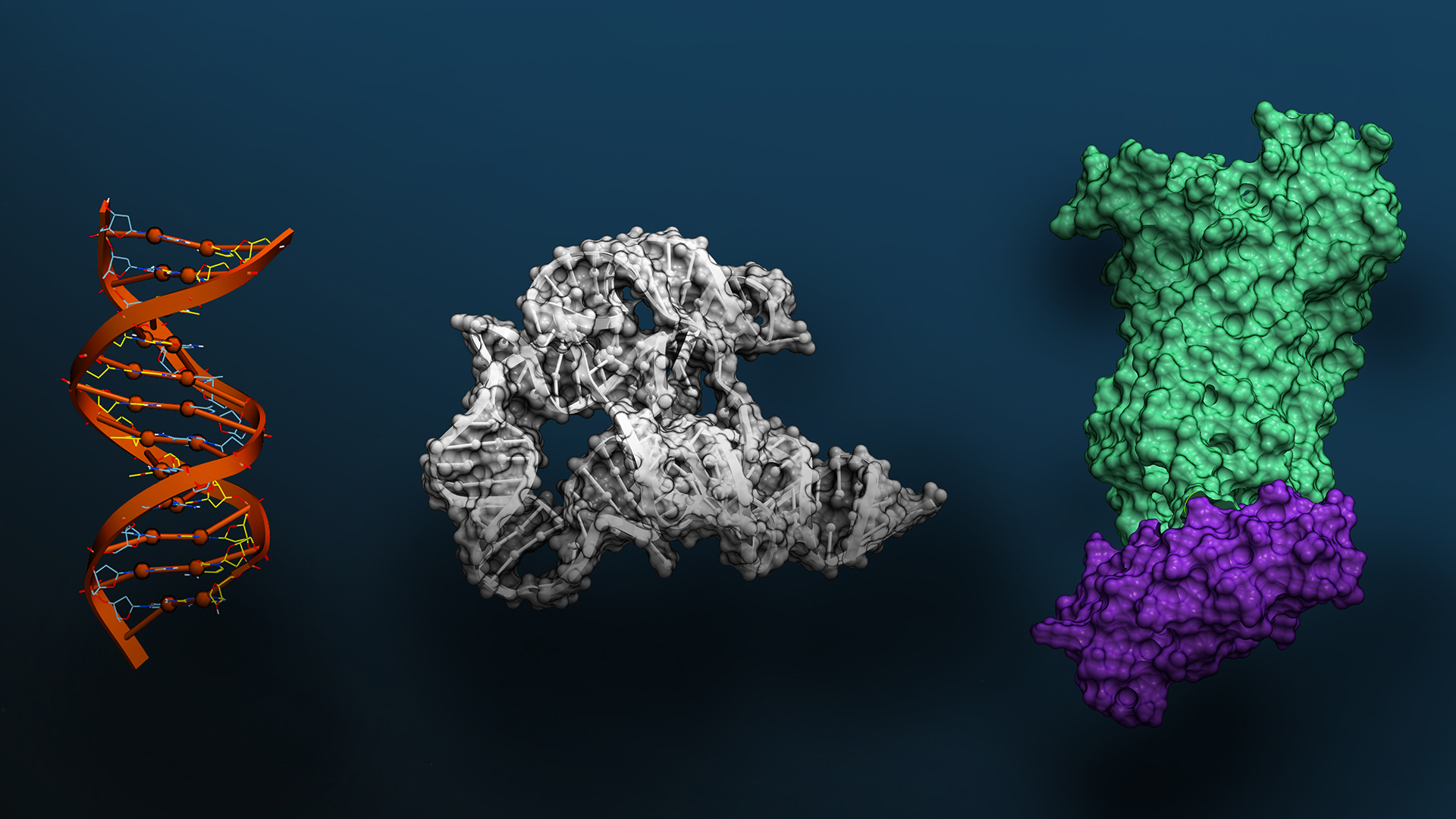
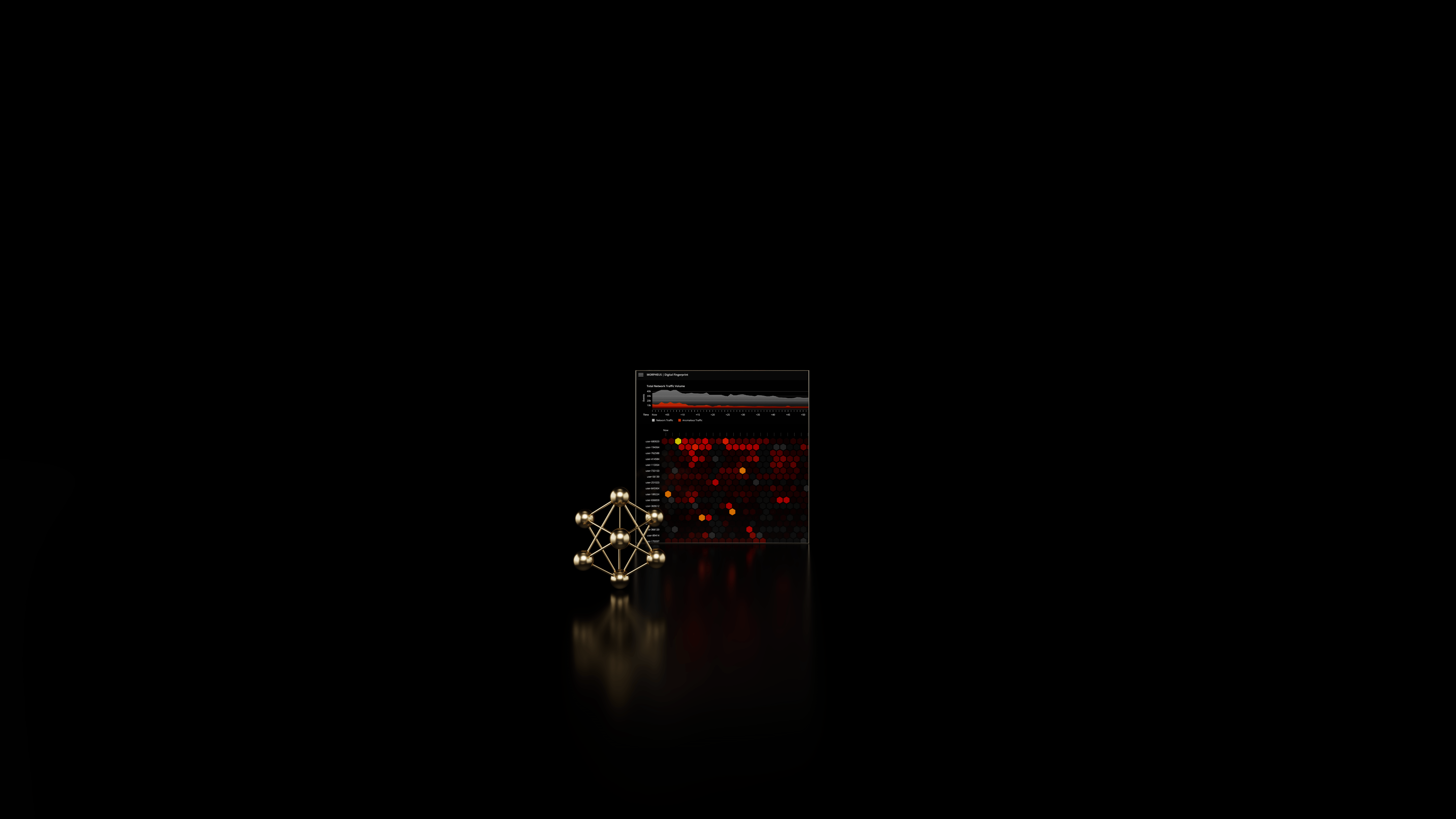
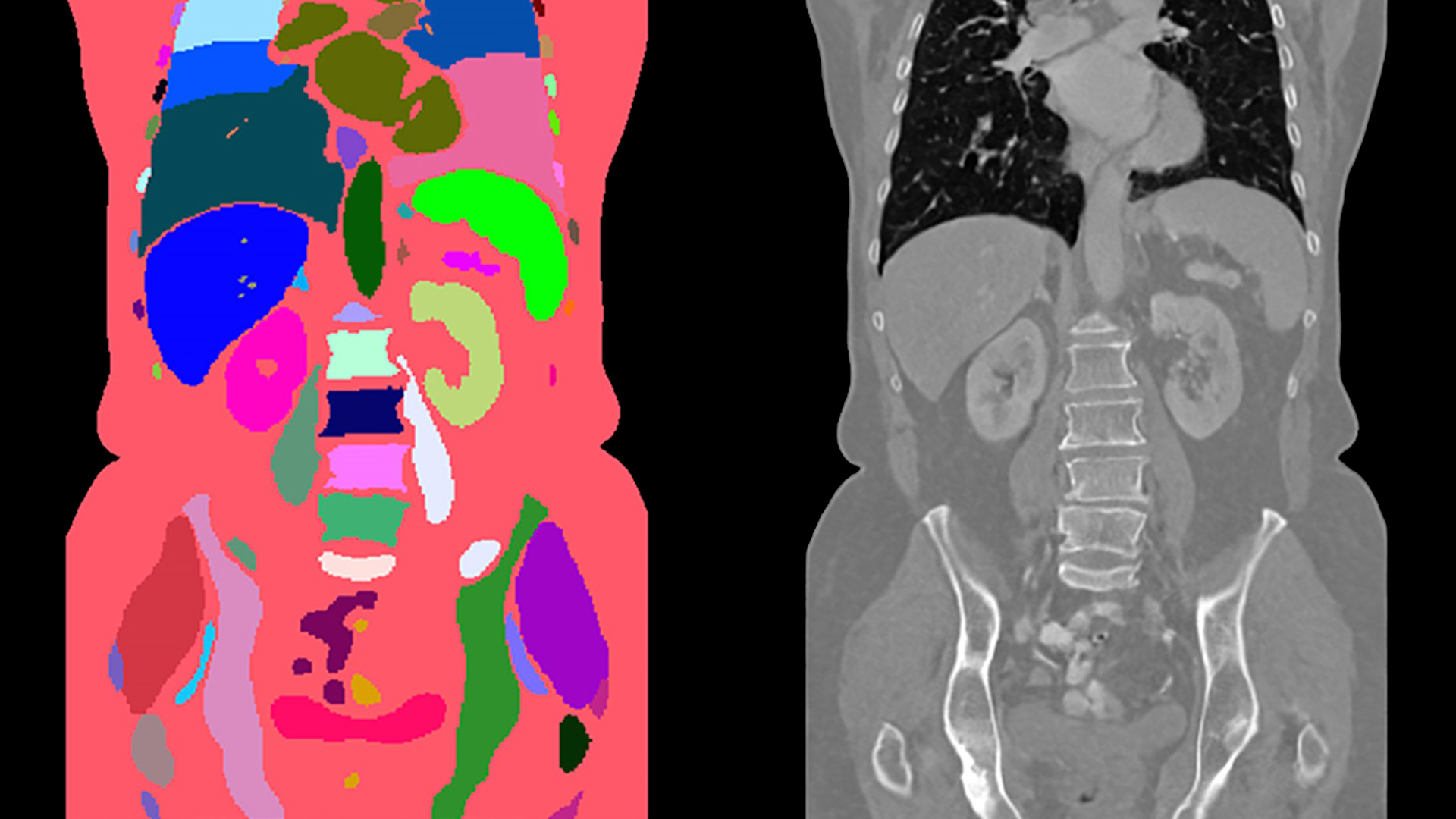
Jensen Huang catalogues clara platforms as those where ai comes up with health solutions not possible before ai eg search what partbers of nvidia are doing with or of deep mind with apjafold3 peotein mapping
Clara type platforms Clara, Bionemo synthetic biology for green products
Arzeda computational enzyme & microbe design platform
Viridos - applies synbio to microalgae for biofuels, carbon capture
Gingko bioworks for cell programming platforms -cell programming
Birch Biosciences - enzyme engineering for circular economy
Platforms like LatchBio or Cloud Bioinformatics- eg ecosystems for climate smary ag/synbio
Iver in UK i believe deep mind alongside nvidia is the most exciting ai group to update with eg through amost weekly you tube news; but I am also trying to figure out how comoetitive prsicila chan alternative protein mapping offer is (as a platform)
parallel nvidia platforms invent product forms nevee seen before - perhaps a plastic like substance which is fully degradable - some of
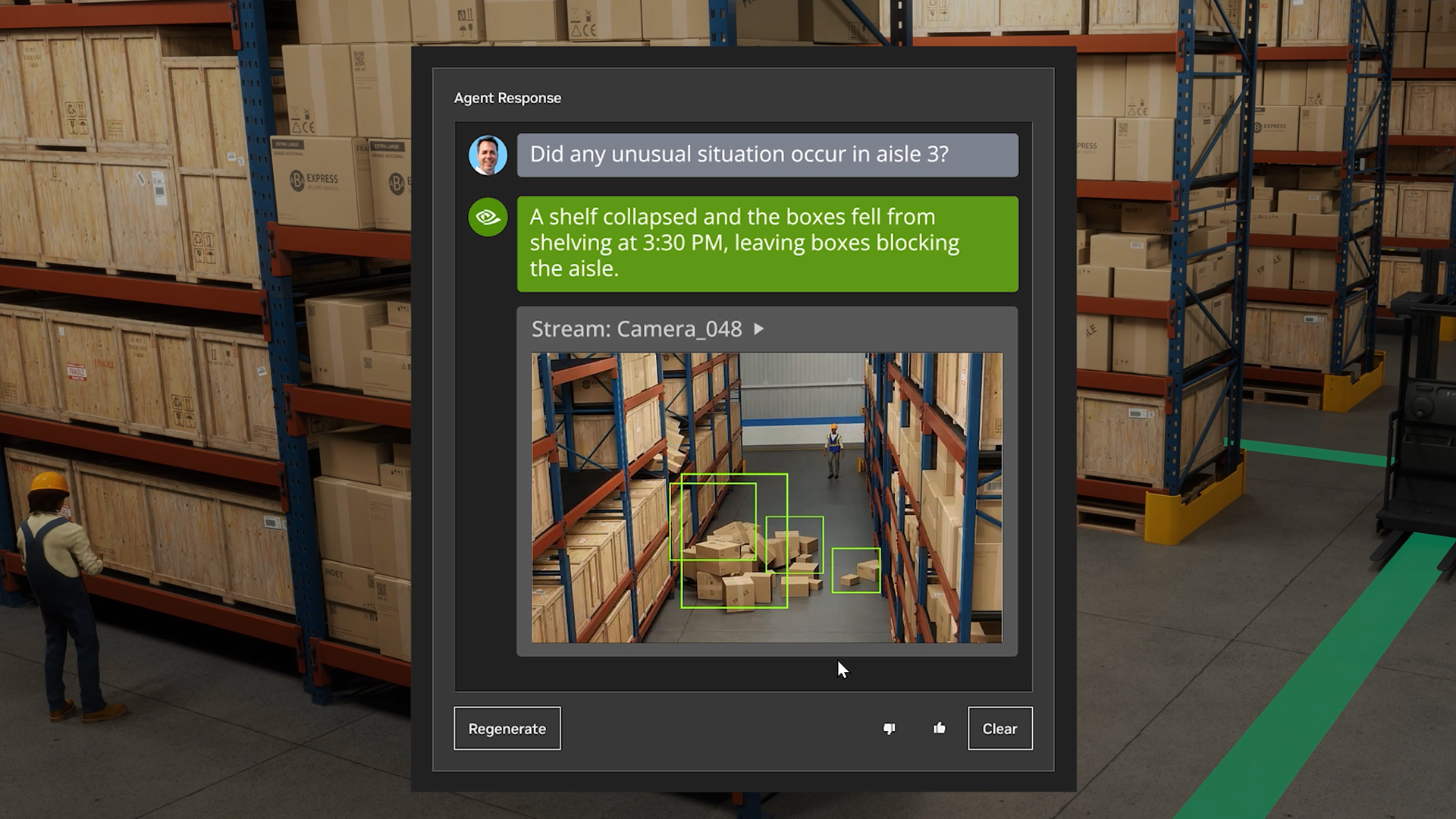
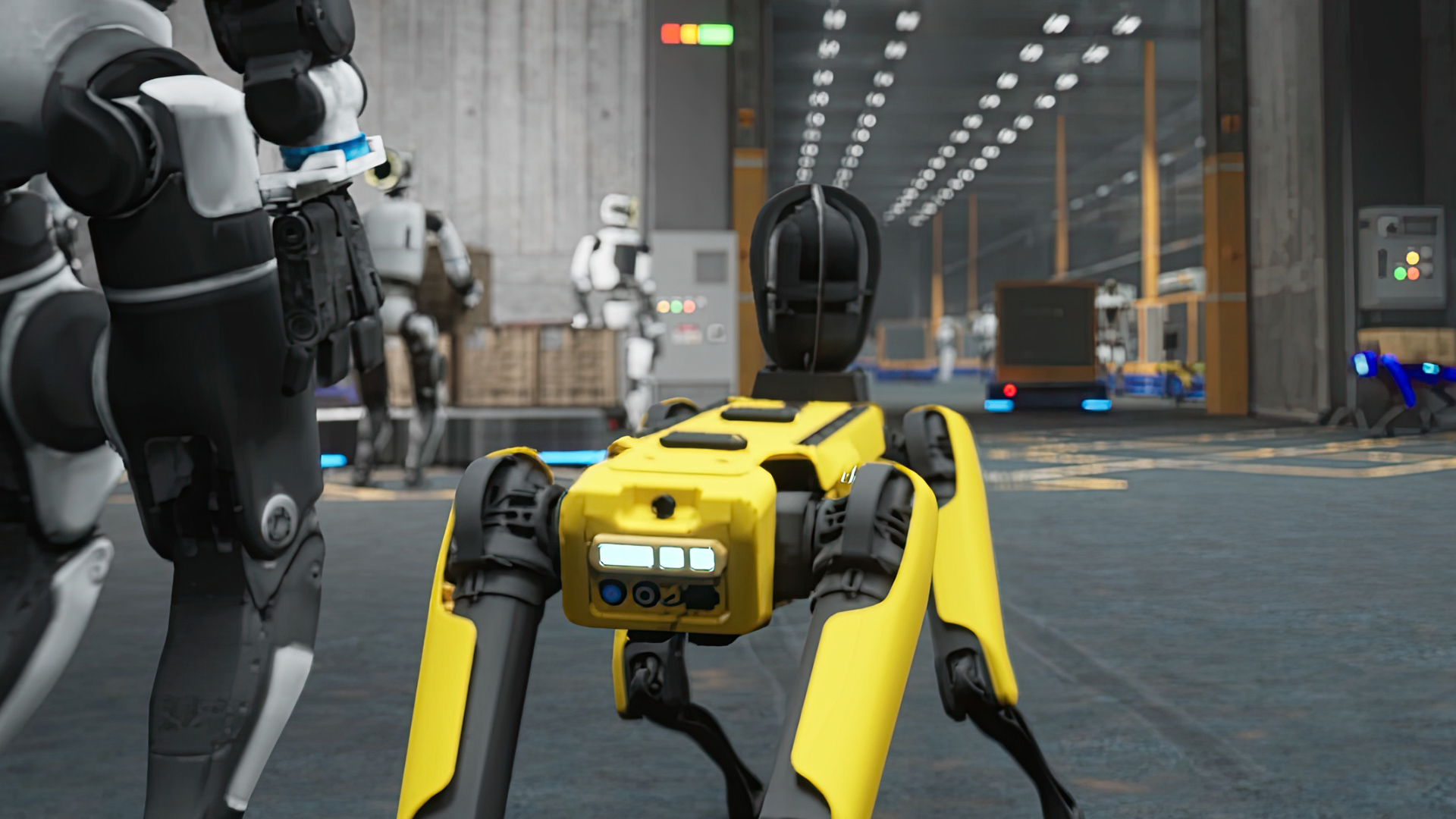
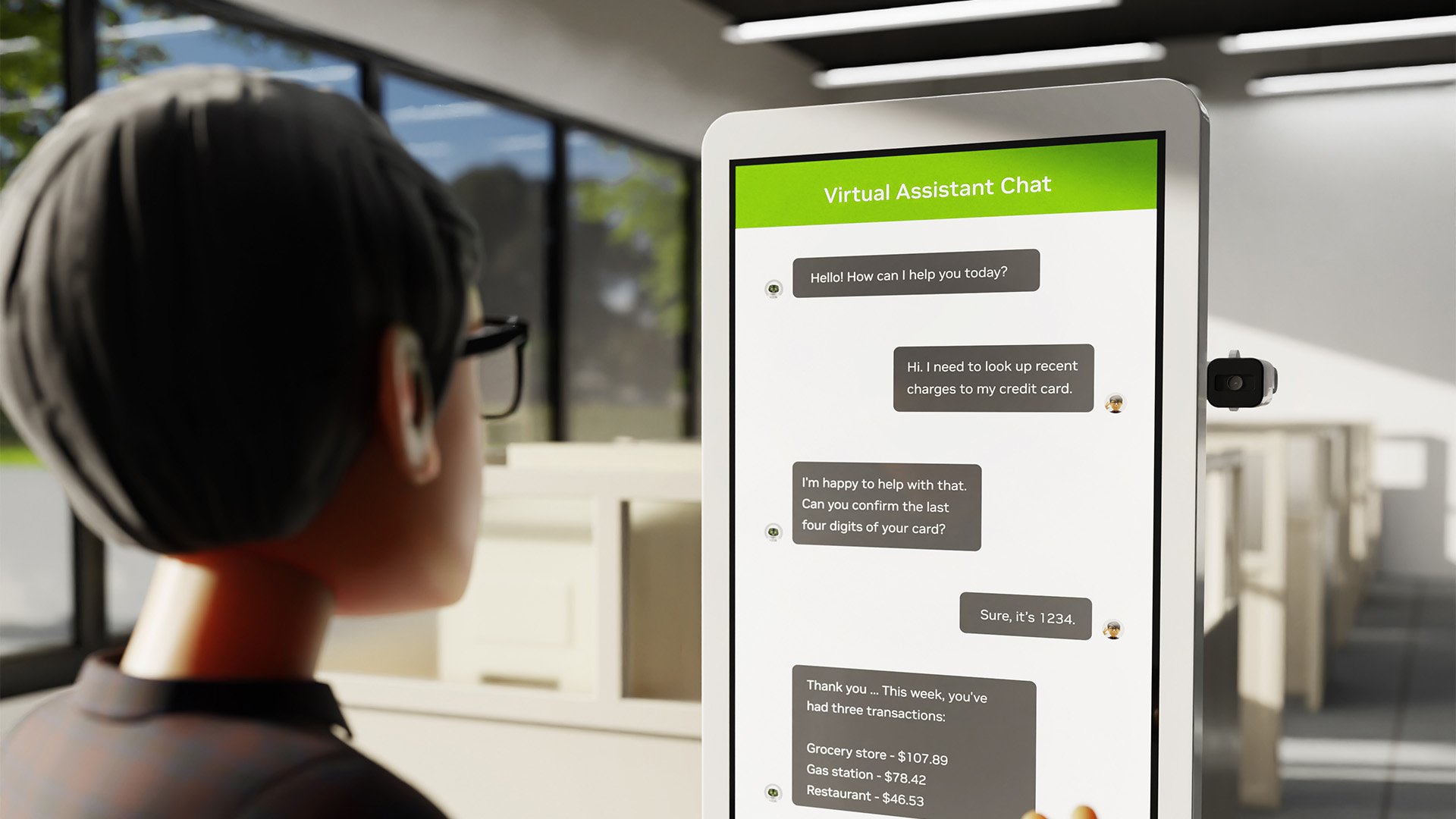
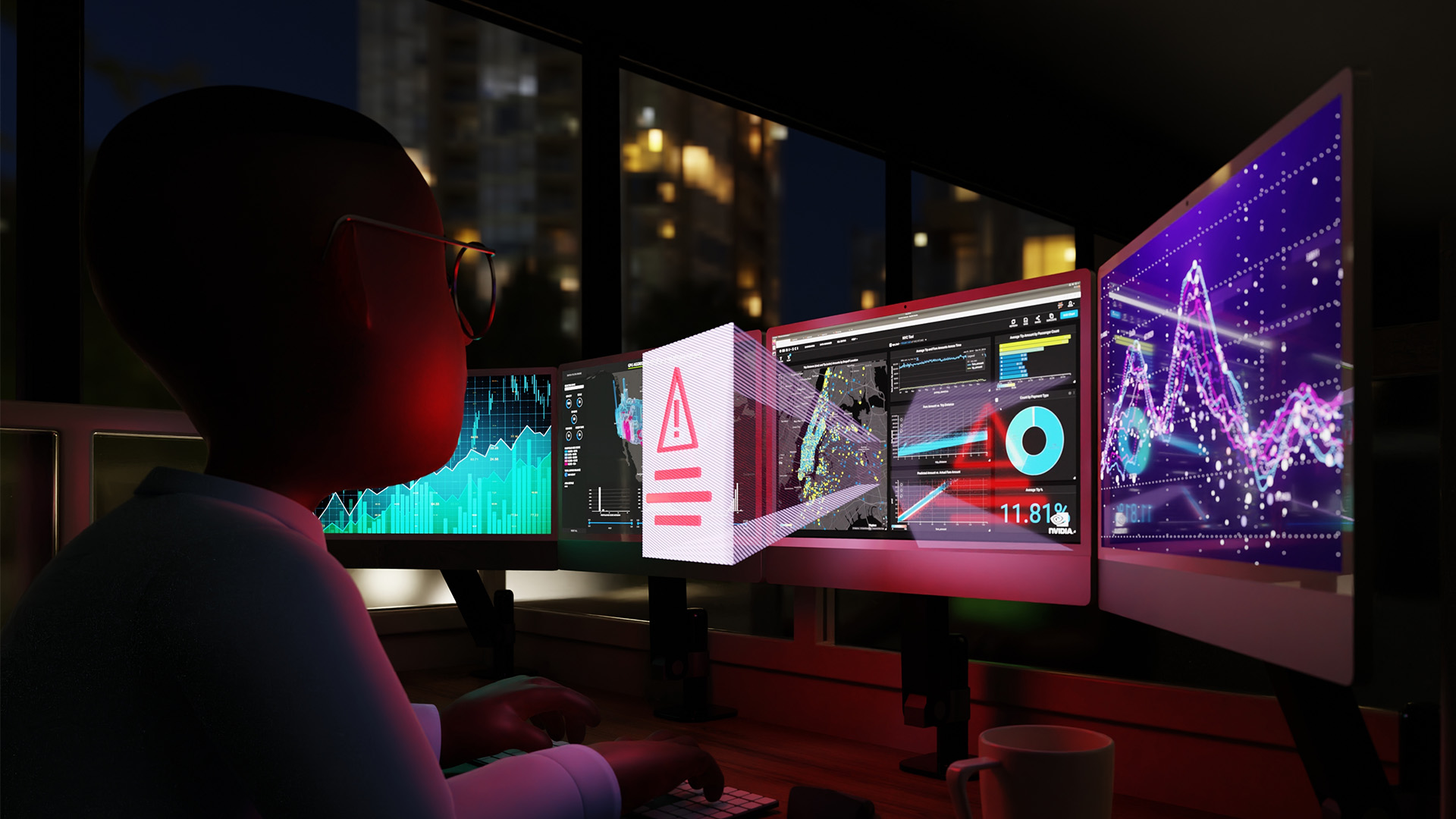
Use Cases at Nvidia 37


Views: 86
Replies to This Discussion
-
Permalink Reply by chris macrae on
-
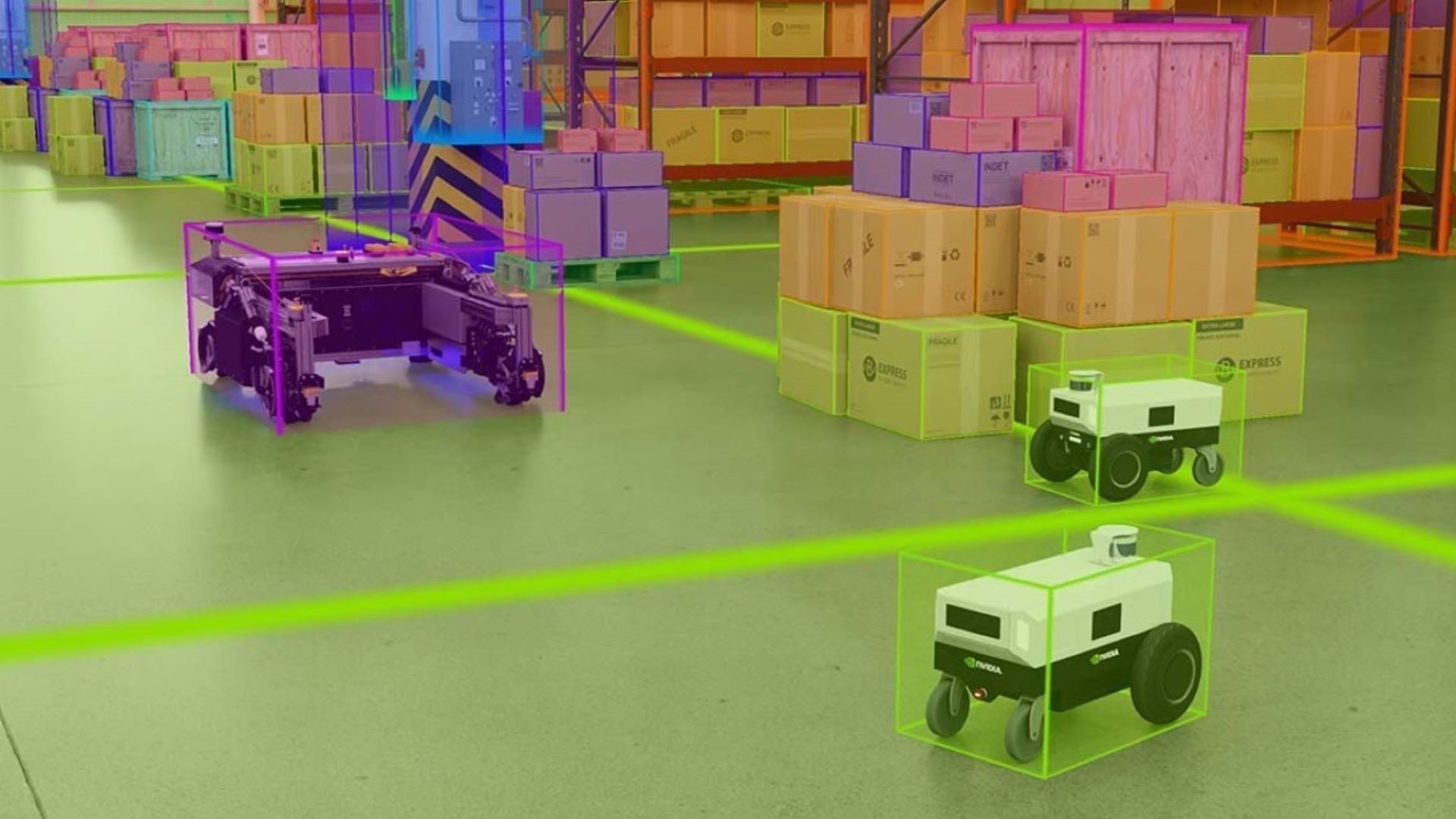
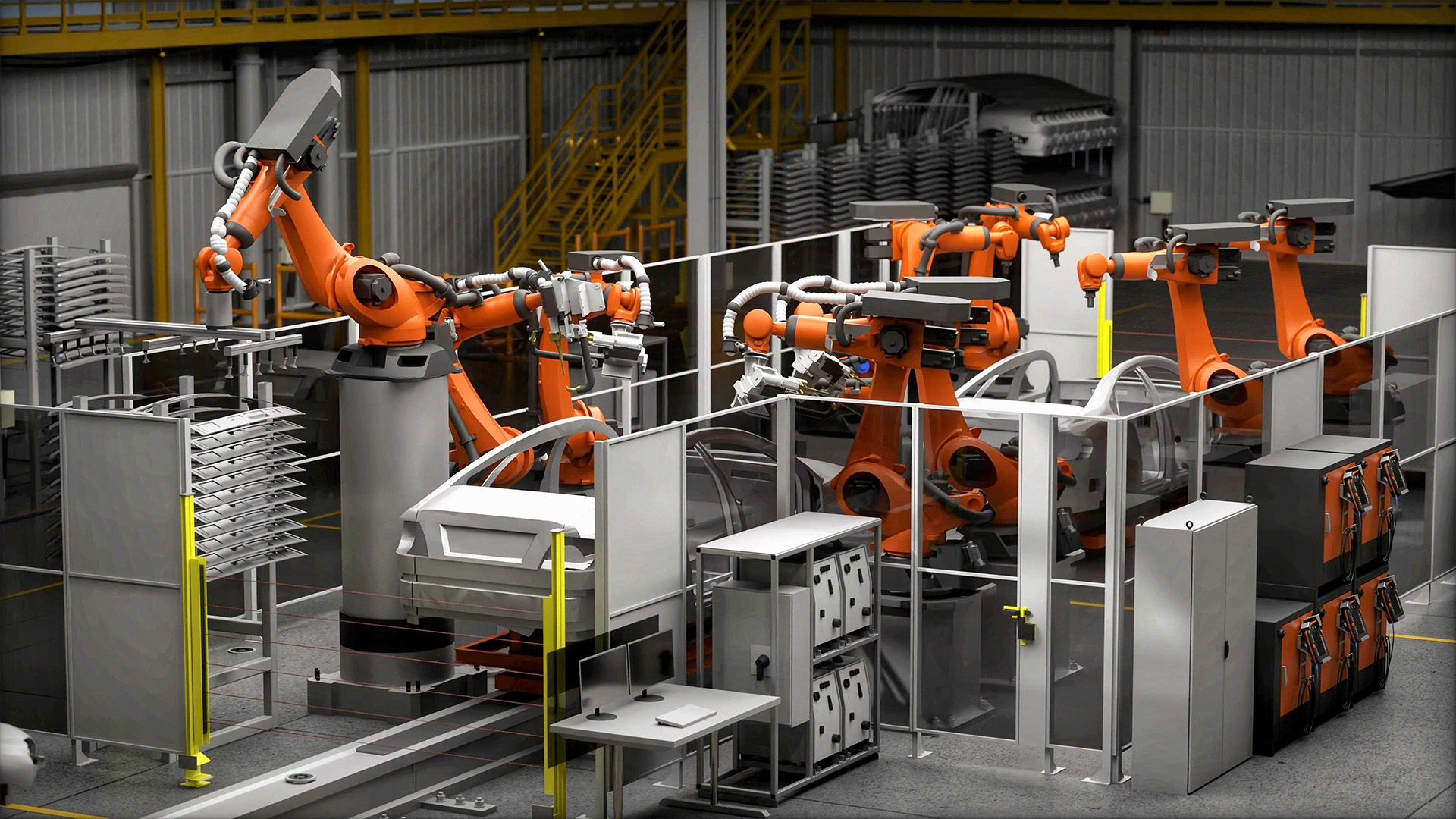
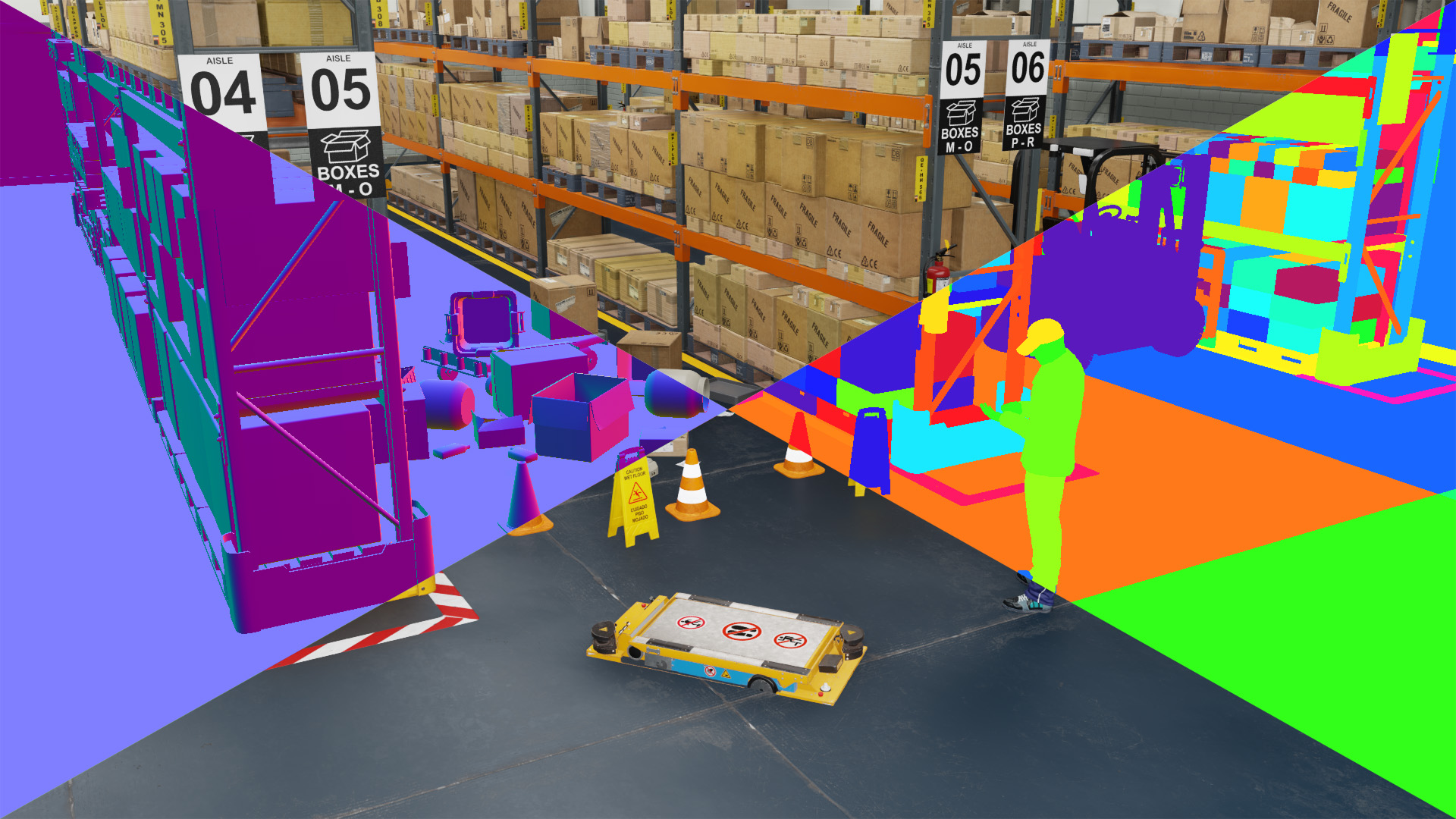
NVIDIA OmniverseTM is a collection of accelerated libraries and microservices for developing physical AI simulation applications and agentic workflows.
AI Data Platform for Enterprise Infrastructure
NVIDIAhttps://www.nvidia.com › en-us › data-center › ai-data-pl...Centralize and accelerate enterprise data with AI-ready platforms. Reduce latency, enhance security, and maximize performance for agentic AI workflows.NVIDIA Rubin Platform, Open Models, Autonomous Driving
NVIDIA Bloghttps://blogs.nvidia.com › 2026-ces-special-presentationJan 5, 2026 — Rubin — NVIDIA's first extreme-codesigned AI platform — plus open models for healthcare, robotics and autonomy, and a Mercedes-Benz CLA ...Transform any enterprise into an AI organization with full-stack innovation across accelerated infrastructure, enterprise-grade software, and AI models.Read moreFeb 3, 2026 — NVIDIA founder and CEO Jensen Huang and Dassault Systèmes CEO Pascal Daloz announced a partnership to build a shared industrial AI architecture, ...Read moreWhat is the programming platform that Jensen Huang ...
NVIDIA Developer Forumshttps://forums.developer.nvidia.com › what-is-the-prog...Jan 10, 2026 — Could anybody please tell me what programming platform Jensen Huang shows in his keynote in which he deploys all kind of AI agents?NVIDIA invents the GPU and drives advances in AI, HPC, gaming, creative design, autonomous vehicles, and robotics.NVIDIA Kicks Off the Next Generation of AI With Rubin
NVIDIA Newsroomhttps://nvidianews.nvidia.com › news › rubin-platform-ai...Jan 5, 2026 — The Rubin platform uses extreme codesign across the six chips — the NVIDIA Vera CPU, NVIDIA Rubin GPU, NVIDIA NVLink™ 6 Switch, NVIDIA ConnectX® ...Read moreBest of NVIDIA GTC: AI Breakthroughs and Recommended ...
NVIDIAhttps://www.nvidia.com › gtcNVIDIA CEO Jensen Huang takes the stage to unveil the latest breakthroughs in AI infrastructure, agentic AI, physical AI, and intelligent personal computing.Read more- Explore The Best Of Gtc 2026
- Main Stage Moments At Gtc...
- Nvidia Ceo Gtc 2026 Keynote
-
-
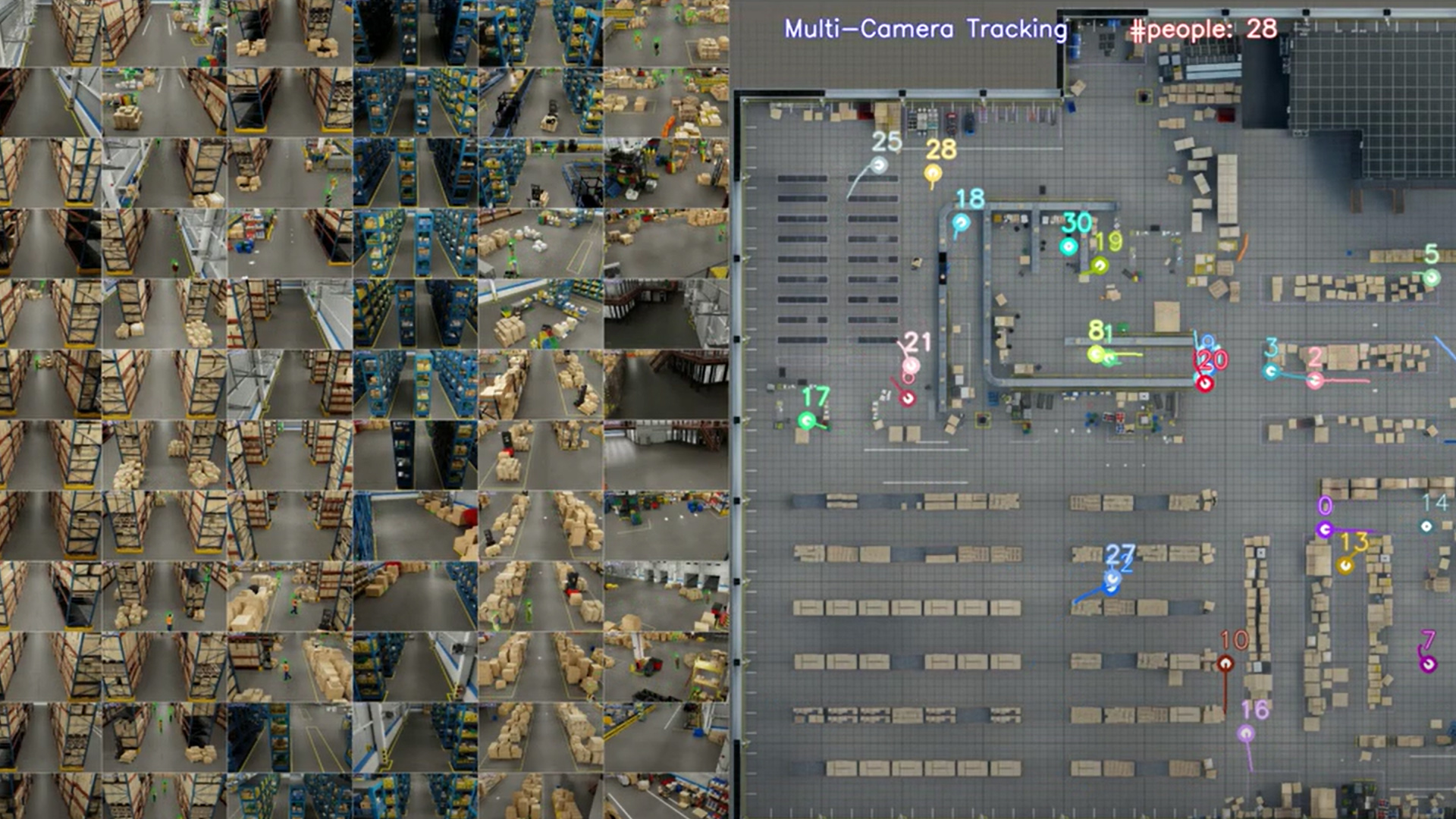
2 Physical AI NVIDIA Omniverse
Accelerated libraries and microservices for developing physical AI simulation applications and agentic simulation workflows. NVIDIA Omniverse™ is a collection of accelerated libraries and microservices for developing physical AI simulation applications and agentic workflows. Agents and software developers can use NVIDIA Omniverse™ capabilities as prebuilt tools to build, test, and refine their own solutions and agentic simulation workflows.
- Industrial Facility Digital Twins
- Synthetic Data Generation
- Robot Simulation
- Autonomous Vehicle Simulation
- Robot Learning
1 Powering the Future of Embedded Edge AI
NVIDIA Jetson™ (see 113 typical partners July 2026) is the leading platform for robotics and edge AI applications, offering you compact edge AI computers, supported by the NVIDIA Jetpack™ SDK for accelerated software development. NVIDIA Jetpack provides pre-built, agentic-ready, and cloud-native software services to fast-track development and deployment of AI inference at the edge, including generative AI, computer vision, advanced robotics, and space computing. NVIDIA Jetson Partner EcosystemThe Jetson ecosystem brings together AI software, dev tools, and hardware—from edge appliances to industrial PCs—powering solutions across robotics, manufacturing, retail, transportation, healthcare, and more.
=====
Media Entertainment Holoscan
-
-
possible duplication platform upd aug 2026
The expanded, current state of NVIDIA’s comprehensive AI software and hardware stack is detailed below, arranged by domain. [1, 2, 3]
- Core Accelerated Computing & Math Libraries (The Bedrock)
- CUDA (2007): The foundational parallel computing platform and API that unlocked the GPU for general-purpose mathematical processing.
- cuDNN, NCCL, cuBLAS, cuTENSOR, CUTLASS (2014+): The core deep learning acceleration libraries. cuDNN optimizes neural network layers; NCCL handles multi-GPU communications; cuBLAS and cuTENSOR accelerate matrix math; CUTLASS provides high-performance linear algebra templates. [1, 2, 3, 4, 5]
- Data Science & Data Engineering
- RAPIDS (2018): A suite of open-source software libraries and APIs built on CUDA to accelerate end-to-end data science pipelines, entirely bypassing traditional CPU bottlenecks for data preparation. [1, 2, 3, 4, 5]
- LLM Training, Fine-Tuning & Agentic Frameworks [1]
- Megatron-LM (2019+): A highly optimized framework for training massive, large-scale transformer language models across multi-node GPU clusters. [1, 2, 3, 4]
- NeMo (2021+): An enterprise-grade cloud-native framework to build, customize, and deploy generative AI models with billions of parameters. [1, 2, 3]
- NemoClaw (2026): A specialized, open-source addition to the NeMo ecosystem that simplifies running continuous, always-on personal AI assistants and agents with policy-based privacy guardrails. [1, 2]
- Frontier Open Models [1]
- Nemotron Consortium / Nemotron-4: NVIDIA's own state-of-the-art open models (like the Nemotron-4 340B family), designed primarily to help enterprises generate high-quality synthetic data to train their own custom models. [1, 2, 3, 4, 5]
- Inference Optimization & Deployment
- TensorRT (2017): A high-performance deep learning inference optimizer and runtime that takes trained models and compresses/quantizes them to run at maximum speed on target hardware. [1, 2, 3, 4]
- Triton Inference Server (2018): An open-source inference serving software that lets teams deploy, run, and scale trained AI models from any framework on any GPU- or CPU-based infrastructure. [1, 2, 3, 4]
- Autonomous Vehicles & Spatial AI
- DRIVE Hyperion: The scalable physical hardware and sensor reference platform (currently utilizing DRIVE AGX Thor centralization built on the Blackwell architecture) integrating cameras, radar, and lidar into vehicles. [1, 2, 3]
- NVIDIA Alpamayo: An open portfolio featuring Alpamayo 2 Super—a multi-billion parameter Vision-Language-Action (VLA) foundation model that provides autonomous vehicles with human-like, "Chain-of-Causation" reasoning to navigate complex driving environments. [1, 2, 3]
- AlpaSim & AlpaGym: The open simulation and closed-loop reinforcement learning frameworks paired with Alpamayo to validate vehicle AI in virtual safety testing. [1]
- Robotics & Physical AI
- Isaac: NVIDIA's premier developer platform for robotics, offering hardware-accelerated AI simulation, safety-critical navigation, and manipulation libraries.
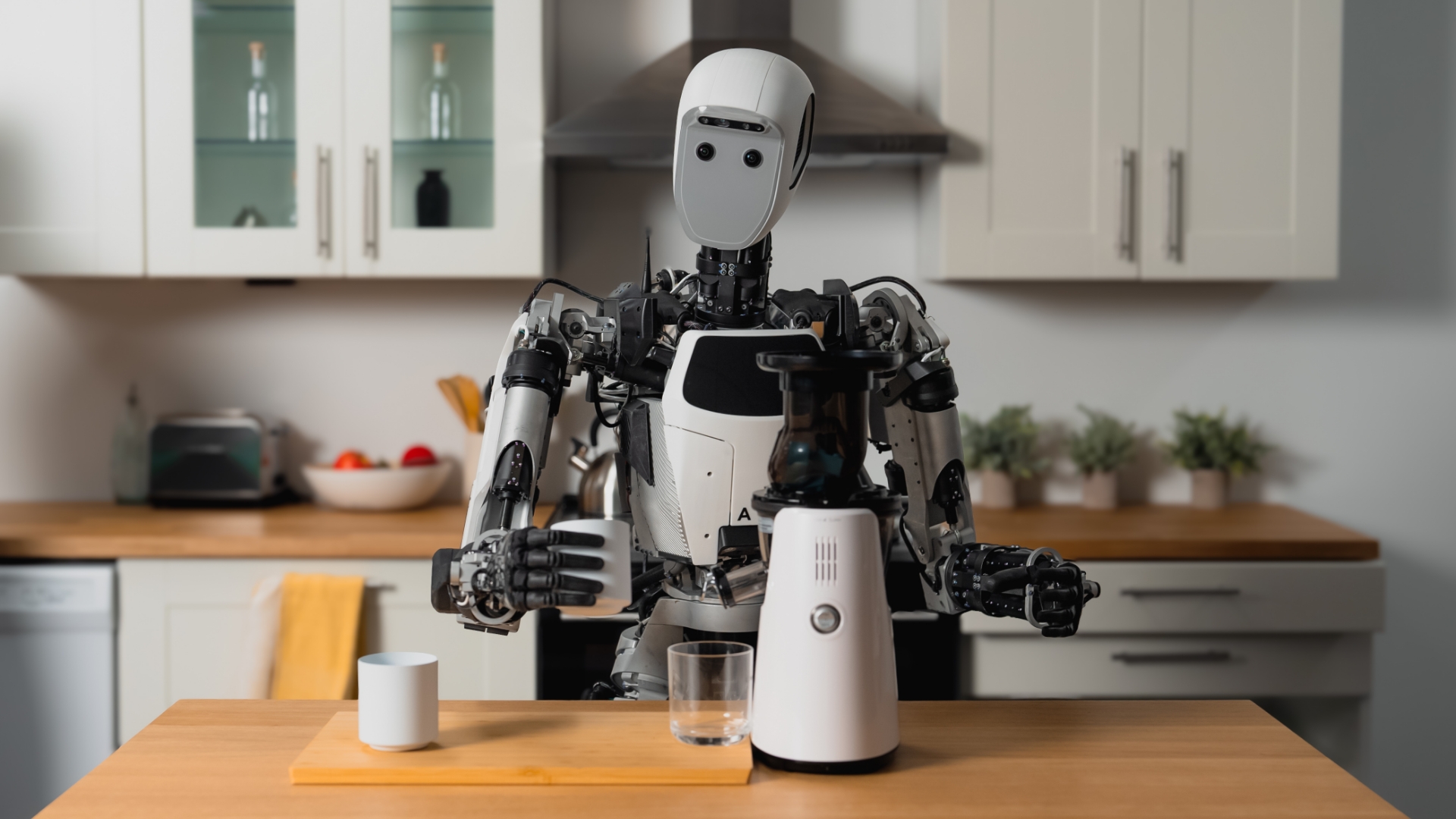
- Project GR00T: A foundational, general-purpose platform specifically engineered to drive humanoid robots, allowing them to understand natural language and emulate human movements. [1, 2, 3, 4, 5]
- Industrial Digital Twins & Simulation
- Omniverse: An interactive, real-time 3D simulation and collaboration platform that acts as the operating system for industrial digital twins, letting factories visually program and test physical AI robots virtually before deploying them to reality. [1, 2, 3, 4, 5]
Summary View
When you look at this list, Nemotron and Alpamayo are the Models (the brains), while CUDA, Triton, DRIVE Hyperion, and Omniverse are the Platforms (the infrastructure that makes those brains functional and lightning fast). [1, 2, 3]
Would you like to dive deeper into how Alpamayo's VLA model interfaces with the hardware on DRIVE Hyperion, or explore how the NeMo ecosystem manages model customization? [1, 2]
NVIDIA
NVIDIA Alpamayo - Open Models for Autonomous Vehicles
* Open Source AV Models and Tools. Open models for reasoning-based autonomy. * Reference Architecture. Reference platform for leve...
Kodiak AI
Kodiak AI Scales Autonomous Driving with NVIDIA DRIVE ...
MOUNTAIN VIEW, Calif., March 16, 2026 (GLOBE NEWSWIRE) -- Kodiak AI, Inc., (Nasdaq: KDK), a leading provider of Physical AI, with ...
YouTube·NVIDIA Developer
Introducing NVIDIA Alpamayo 2 Super
building a reasoning based model for autonomous. driving is complex we build on top of the Cosmos. 3 super reasoning. model then w...
2:31
Show all
You said: In this analogy how do we catalogue the hardware brain - eg at top of stack - it i vera rubin or blackwell... (and whats the total megabyte of the brain or data factory)?
In this analogy how do we catalogue the hardware brain - eg at top of stack - it i vera rubin or blackwell... (and whats the total megabyte of the brain or data factory)?
August 5, 2026
To map the physical silicon into this analogy, we have to introduce a third layer: The Hardware Brain is the Silicon Muscle that powers everything.
Here is how you catalogue the hardware at the very top of the stack, along with the actual data capacities ("megabytes") of these modern AI computing brains.
Cataloguing the Hardware Stack: Blackwell vs. Vera Rubin
In your hierarchy, hardware sits at the absolute foundation, acting as the physical substrate. The platform software activates it, and the AI model runs inside it. [1]
- The Current Peak: Blackwell (Ultra) (2024–2026): Blackwell represents the current state-of-the-art production hardware architecture. It uses a dual-die chip design that acts as a single, giant unified processor. [1, 2, 3, 4]
- The Upcoming Apex: Vera Rubin (Late 2026+): Announced by Jensen Huang as the successor architecture, Rubin represents the next physical leap in AI hardware, integrating next-generation High Bandwidth Memory (HBM4) to drastically widen the data pipelines. [1, 2, 3, 4]
The "Megabytes" of the Brain: Compute Node vs. Data Factory
When measuring the "memory capacity" of an AI brain, the tech industry looks at High Bandwidth Memory (HBM). This is the hyper-fast, on-chip memory where the AI model’s weights actually live while it is thinking. [1, 2]
Because AI has scaled past single chips, we must look at the capacity at two levels: the individual Compute Node (the individual brain) and the Data Factory / Supercomputer (the collective mind).
- The Individual Brain (The Compute Node)
An individual AI model cannot run across a scattered network; it needs massive, tightly coupled memory on a single machine or server board. [1, 2]
- Blackwell Ultra H200 NVL / GB200 NVL72: A standard Blackwell NVL72 liquid-cooled rack links 72 GPUs together via NVLink to act as one single, massive GPU "brain." [1, 2]
- The Capacity: A single Blackwell Ultra GPU boasts up to 288 GB of HBM3e memory. When 72 of them are combined into a single unified rack system, the total memory capacity of that single "brain" is 20.7 Terabytes (20,736,000 Megabytes). [1]
- What it holds: This allows a single rack to hold and run a massive 10-Trillion parameter model entirely within its active memory.
- The Data Factory (The Collective Mind / Supercomputer)
When thousands of these racks are wired together into a massive data center using NVIDIA's Quantum-InfiniBand or Spectrum-X Ethernet platforms, it transforms into an AI Data Factory. [1]
- The Scaled Architecture: A premier modern AI Data Factory (like a 100,000-GPU cluster buildout) groups these systems into massive supercomputing blocks.
- The Capacity: 100,000 Blackwell-generation GPUs clustered together yield a staggering collective active memory pool of 28.8 Petabytes (28,800,000,000 Megabytes). [1]
- What it holds: This is the scale required to train next-generation "Frontier" models simultaneously, processing multi-trillion token datasets across the entire cluster in parallel.
Visualizing the Unified Stack
Layer
Component Name
What it represents in the Analogy
Model
Llama 3, Nemotron-4, Alpamayo
The Mind: The specific intelligence and trained patterns.
Platform
CUDA, TensorRT, Triton, NeMo
The Nervous System: The software that translates code into raw speed.
Hardware
Blackwell Ultra, Vera Rubin
The Silicon Muscle: The physical engine and HBM memory capacity.
Would you like to explore how NVIDIA's NVLink interconnect technology physically stitches those 72 Blackwell chips together to make them behave like one giant unified memory pool, or look closer at the upcoming Vera Rubin specification changes?
CliffsNotes
[Solved] . QUESTION 3 According to strong Al, minds are to brains as O blood is to the heart. O bile is to the liver. O...
According to Strong AI, minds are to brains as software is to hardware. The analogy here is that the mind is like software, which ...
Investing News Network
NVIDIA CEO Highlights Blackwell Ultra Chip and Vera Rubin Platform in GTC Keynote | INN
Hardware advances were central as well. Huang ( Jensen Huang ) said the Blackwell ( Blackwell architecture ) system is now in full...
Instagram
Bill Dally reveals the secrets of the NVIDIA Blackwell architecture: Dual-Die Design: Two chips acting as one powerful GPU. No Bottlenecks: Custom signaling technology for rapid data flow. Insane Speed: High Bandwidth Memory delivering 8 Terabytes per second. This is how the future of AI is being built. #NVIDIA #BlackwellChip #AI #DeepLearning #TechInnovation
3 likes, 0 comments - ai4i_iiai on March 25, 2026: "Bill Dally reveals the secrets of the NVIDIA Blackwell architecture: Dual-Die ...
Show all
You said: yesterday musk at spacex appeared to announce long term commitment to jensen hardware - did you interpret this as buying what nvidia develops or will team musk also start co-designing beyond rubin?
yesterday musk at spacex appeared to announce long term commitment to jensen hardware - did you interpret this as buying what nvidia develops or will team musk also start co-designing beyond rubin?
August 5, 2026
The exclusivity announcement made during SpaceX’s earnings call signals a massive structural alignment around buying and deeply customizing NVIDIA’s existing roadmap, but with a highly specialized co-design twist explicitly tailored for space environments. [1, 2, 3]
Musk’s strategy is not about building custom silicon from scratch to replace NVIDIA (like Tesla's Dojo or Apple’s TPUs). Instead, Team Musk is entering a deeply integrated, multi-level co-design phase to adapt NVIDIA’s upcoming hardware for unprecedented deployment environments on Earth and in orbit. [1, 2, 3]
- Buying NVIDIA's Core Portfolio at Historic Scale
The baseline of this announcement is a massive capital expenditure commitment to buy NVIDIA's standard architectures: [1, 2]
- Massive Terrestrial Buildout: Musk confirmed SpaceX (which recently integrated xAI and the Colossus supercomputer under its corporate umbrella) will build its data centers exclusively on NVIDIA. [1, 2]
- The Power Scale: SpaceX expects to manage over 2 gigawatts of compute capacity, scaling aggressively toward 10 to 20 gigawatts. [1, 2]
- Rubin Obsession: Musk explicitly called the upcoming Vera Rubin architecture the "best AI computer". SpaceX secured a commitment to receive a "very significant percentage" of NVIDIA’s total global GPU output. [1, 2, 3, 4]
- The Beyond-Rubin Twist: Spatial & Payload Co-Design
Where this transcends a standard buyer-seller relationship is the announcement of the "Starmind" satellite program. This is where true engineering co-design is happening: [1, 2]
- Orbital Data Centers (2027): Starting next year, SpaceX will launch Starmind compute satellites designed to run advanced AI workloads directly in orbit. [1, 2, 3]
- Customizing the NVL72 Architecture: Each Starmind satellite will carry an AI payload heavily optimized from NVIDIA’s ground-based Vera Rubin NVL72 rackscale design. [, 2]
- Extreme Engineering Boundaries: Standard Rubin architectures require immense liquid cooling and massive terrestrial power grids. Co-designing a 250 kW space-hardened payload using Vera CPUs and Rubin GPUs means NVIDIA and SpaceX engineers are actively modifying the physical, thermal, and electrical orchestration of the hardware to survive vacuum environments, solar radiation, and orbital thermal cycles. [1, 2]
The Verdict on the Musk-Jensen Alliance
Strategy
Status
Details
Silicon Independence
🚫 Abandoned
SpaceX is cutting out AMD, Intel, and Broadcom entirely to align 100% with NVIDIA.
Pure Off-the-Shelf Buying
🔄 Partial
Massively buying standard Blackwell and Rubin racks for terrestrial data centers.
Deep Engineering Co-Design
Active
Actively re-architecting the Vera Rubin NVL72 platform into the space-hardened, orbital Starmind payload.
This partnership proves that Jensen’s true moat isn’t just the chip—it is the platform software (CUDA) and architecture flexibility that allows deep partners like Musk to fundamentally alter how the hardware is physically deployed, whether it's buried in a data center or floating in low Earth orbit. [1, 2]
Would you like to break down how a 250 kW orbital satellite payload can manage the thermal dissipation of a modified Vera Rubin NVL72 system, or look closer at the financial implications of the xAI / SpaceX consolidation? [1, 2]
Instagram
SpaceX will build its future artificial intelligence infrastructure ...
#NewsAlert | 🚨 SpaceX will build its future artificial intelligence infrastructure exclusively on Nvidia systems and plans to beg...
Business Insider
Elon Musk and Nvidia Are Taking Their Relationship Exclusive
SpaceX and Nvidia are taking their relationship exclusive — here's what Musk said about their new status. ... You're currently fol...
Facebook
Elon Musk told SpaceX shareholders in his opening remarks ...
BREAKING: Elon Musk told SpaceX shareholders in his opening remarks on the earnings call that SpaceX plans to build its AI data ce...
Show all
You said: can we turn to the lower end of the stack as i imagine more than half world will experience ai by mobile apps that hopefully a trusted world data mapmaker and context update overall model - say for local agriculture which will itself interact with met models and probably crop type; is it nvidia spark hardware which will make apps most compatible or has this depth of stack not been designed yet-it relates to ai layer 5 being where most peoples livelihood actions and most urgent community development
can we turn to the lower end of the stack as i imagine more than half world will experience ai by mobile apps that hopefully a trusted world data mapmaker and context update overall model - say for local agriculture which will itself interact with met models and probably crop type; is it nvidia spark hardware which will make apps most compatible or has this depth of stack not been designed yet-it relates to ai layer 5 being where most peoples livelihood actions and most urgent community development
August 5, 2026
At the lower end of the stack, NVIDIA's Spark line of chips is exactly what bridges the gap between massive cloud-trained data models and the everyday mobile apps that power community development. [1, 2]
NVIDIA has actively architected this deep stack specifically for Layer 5 execution—where AI interacts with real-world livelihoods. In your local agriculture example, the full stack functions as a cohesive ecosystem, from the silicon up to the farmer’s mobile app. [1, 2, 3]
- The Silicon Layer: NVIDIA Spark & Jetson
NVIDIA uses a two-pronged hardware strategy for mobile and local community deployment:
- RTX Spark (The Local Superchip): This new ARM-based system-on-a-chip (SoC) brings up to 1 petaflop of local AI compute and unified memory down to portable, consumer-level computers. It is explicitly designed to handle heavy localized AI workloads without phoning home to a costly cloud network. [1, 2]
- NVIDIA Jetson (The Physical Edge): For the actual field machinery, compact edge platforms like the Jetson AGX Orin act as the on-site "brains". Placed directly on localized weather monitoring hubs, water control valves, or field tractors, it runs computer vision and processes sensory data in real time. [1, 2, 3]
- The Data Integration: Crossing the Agriculture Stack
A farmer's mobile application does not just query a generic chat model; it relies on a layered context chain running on Spark-compatible infrastructure:
- The World Data Mapmaker: Regional databases track micro-climates, soil properties, and regional water maps.
- The Met Model (Meteorological): Local edge systems ingest real-time weather, satellite imaging, and historical patterns.
- The Crop Model: Deeply specialized agronomy data predicts optimal sowing times, fertilizer needs, or pest patterns based on the specific crop type.
The software stack—powered by NVIDIA NeMo and TensorRT—takes these heavy, disparate inputs, quantizes (shrinks) them, and fuses them into a light, hyper-localized contextual layer. [1, 2, 3, 4, 5]
- How the Mobile App Communicates with the Stack
The app on a farmer's mid-range phone can access this deep architecture via two distinct pathways, making it highly resilient for community development:
[Local Agriculture App]
|
+---> Offline Edge (Local Jetson / Spark Hub via Mesh/Bluetooth)
| * Runs small INT8 Quantized Models locally without internet.
|
+---> Online Hybrid (Cell Tower / 5G / Starmind Satellite)
* Leverages heavy, federated cloud models for complex reasoning.
- The Online Hybrid Model: The mobile app queries a local base station or regional server powered by DGX Spark hardware. This server dynamically reconciles the global weather data with local sensor telemetry, serving highly precise instructions back to the phone screen. [1, 2, 3]
- The 100% Offline Edge: In areas lacking cellular infrastructure, a local co-op can run a single RTX Spark system or Jetson hub using a small local mesh network. The mobile app can fetch critical updates over Bluetooth or local Wi-Fi, running heavily compressed, offline Vision-Language-Action (VLA) models entirely detached from the internet. [1, 2, 3]
The Moat: NVIDIA Aerial & 6G Connectivity
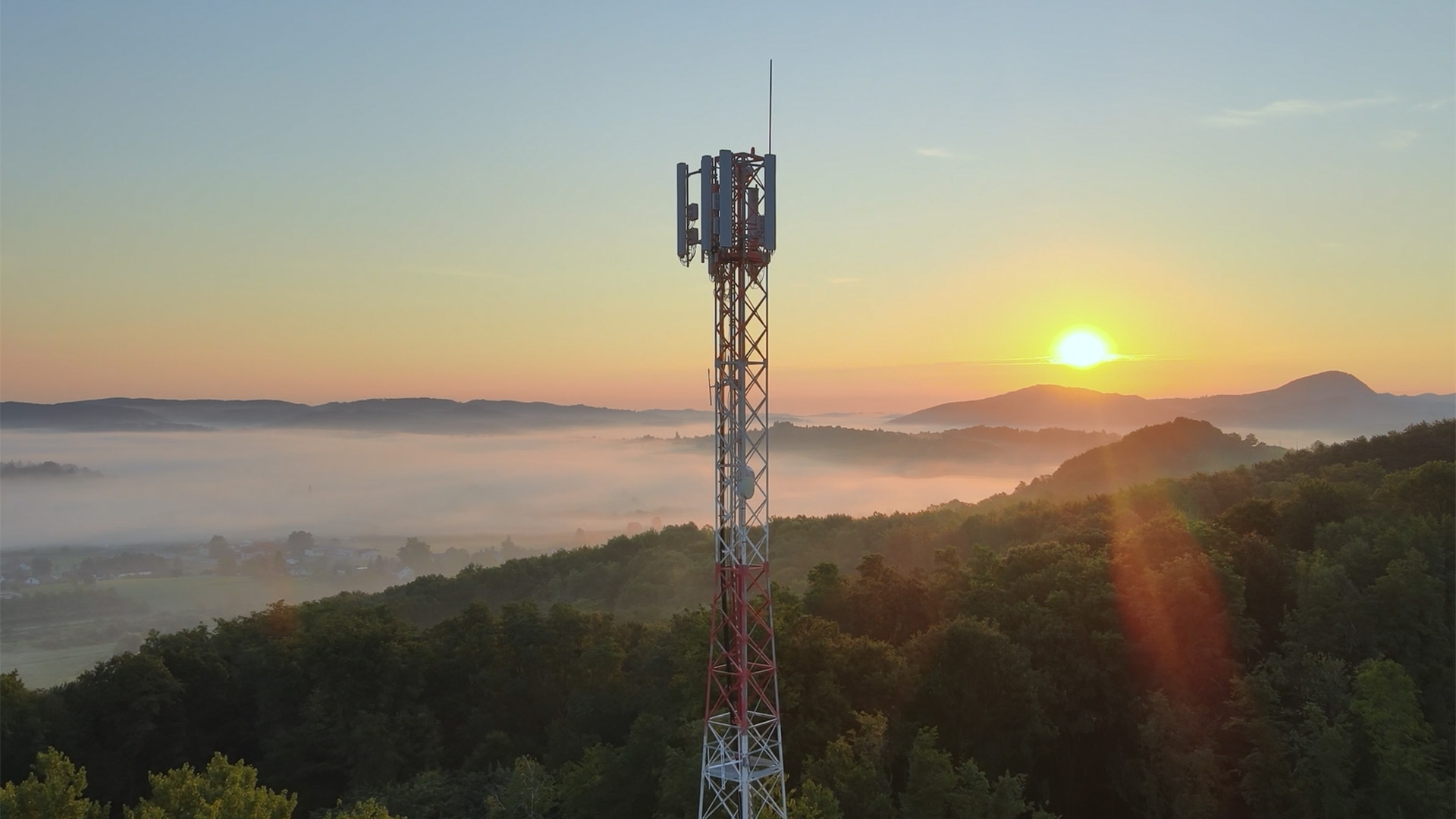
The technical depth is already built. To make sure these mobile apps actually work in remote rural regions, NVIDIA open-sourced its Aerial software suite. Aerial utilizes GPU acceleration to power AI-native 5G and 6G cellular networks. By optimizing the very cellular towers that broadcast to the farmer's mobile phone, the platform ensures that even massive data maps can stream latency-free to low-powered mobile devices. [1, 2]
Would you like to explore how NVIDIA's model quantization (INT8) allows a multi-layered agriculture model to compress small enough to run on local edge hardware, or look closer at how NVIDIA Aerial changes rural connectivity? [1, 2]
NVIDIA
NVIDIA Jetson for Next-Generation Robotics
The Ideal Software for Robotics and Generative AI at the Edge. NVIDIA Jetson software supports all Jetson modules, delivering real...
Reddit
[D] Edge AI Projects on Jetson Orin – Ideas? - Reddit
with jetson orin, build something that shows u can ship under constraints, like real time vision with quantization and tight therm...
NVIDIA Developer
Getting Started with Edge AI on NVIDIA Jetson: LLMs, VLMs ...
Getting Started with Edge AI on NVIDIA Jetson: LLMs, VLMs, and Foundation Models for Robotics * The NVIDIA Jetson platform enables...
Show all
-
-
You said: I think unbiassed viewers see china will race ahead on ai at layer 5- will there be any common translation between china models and the whole nvidia open weights platforms etc- or will the world just have to live with 2 ai worlds even if "educationally: they are mainly assisting with same community defined needs (be these listed around un sdgs or some other network of humanity's local foundations
August 5, 2026
The potential division between Western and Chinese AI ecosystems at Layer 5 (Livelihood & Application Layer) is a critical geopolitical question. While the world may operate under a political "two-AI world," the mathematical and engineering realities underneath tell a different story.
There is an underlying technical standard that guarantees a high level of common translation between Chinese models and Western open-weight platforms.
- The Common Translation: Shared Architecture & Open Standards
Even if geopolitical boundaries fragment the deployment networks, Chinese AI models (like Alibaba's Qwen or DeepSeek) and Western models (like Meta's Llama) speak the exact same underlying language.
- The Transformer Architecture: Virtually all state-of-the-art models globally utilize the same basic Transformer or Mixture-of-Experts (MoE) mathematical architecture. Because the underlying physics of the mathematics are identical, a model trained in Hangzhou can be converted to run on a platform built in Santa Clara.
- The ONNX Standard: The Open Neural Network Exchange (ONNX) acts as a universal translator. It allows models trained on one framework (like China’s Baidu PaddlePaddle) to be exported and run on Western runtimes (like NVIDIA’s TensorRT).
- Hardware Agnostic Optimization: Frameworks like Hugging Face and open-source inference engines (like vLLM) serve as global neutral zones. A developer in a local agricultural community can download a high-performing Chinese open-weight model and run it flawlessly on NVIDIA Spark hardware or a local Jetson edge node.
- The Geopolitical Divergence: Context and Data Rather Than Code
Where the "two AI worlds" split is not in the software stack, but in the context, guardrails, and data definitions.
[Global Technical Foundation] -> Same Math (Transformers, ONNX, vLLM)
|
+---> Western Ecosystem (Llama/Nemotron + UN SDGs + Western Guardrails)
|
+---> Chinese Ecosystem (Qwen/DeepSeek + Belt & Road Needs + State Guardrails)
- The Western / Global Framework: Tends to align with UN Sustainable Development Goals (SDGs), localized community development NGOs (like BRAC), and Western frameworks for data privacy and safety.
- The Chinese Ecosystem: Excels at rapid, ultra-low-cost deployment optimized for mobile-first infrastructure. China’s "AI Silk Road" initiatives explicitly package these models for developing nations, pairing Layer 5 apps with local infrastructure investments.
- Layer 5 Convergence for Local Needs
At the grassroots level—assisting with local agriculture, regional meteorological tracking, or primary healthcare—the educational and civic outputs will largely harmonize because nature and biology do not care about geopolitics.
- Cross-Pollination of Science: An AI model predicting blight in a rice crop relies on plant biology and weather telemetry. A Chinese model tracking crop yields in Southeast Asia uses the same foundational science as a Western model tracking wheat in Africa.
- The Open-Weight Bridge: Because China actively embraces the open-weight philosophy for international adoption, their frontier models are open to global scrutiny and modification. Local developers can take a Chinese model, strip away any localized political alignment, and fine-tune it with local community datasets on an NVIDIA stack.
Summary View
The world will likely navigate a bifurcated political and data pipeline, but it will share a unified technical toolkit. The structural alignment of open-source software ensures that local communities will not be locked out of either world; they will be able to pull the best specialized "brain" from whichever ecosystem fits their immediate agricultural or educational need, running it on whatever silicon is locally accessible.
Would you like to examine how open-source inference engines bridge the gap between different model architectures, or look at how local communities are currently fine-tuning open models for regional languages and needs?
You said: yes i would like to look at both -- like to examine how open-source inference engines bridge the gap between different model architectures, or look at how local communities are currently fine-tuning open models for regional languages and needs?
August 5, 2026
To understand how Layer 5 AI becomes globally accessible, we can look at the two mechanisms making it happen: the software translators bridging different chip and model architectures, and the grassroots training adapting global brains to local communities.
Part 1: How Open-Source Inference Engines Bridge the Gap
An inference engine is the "runtime engine" of the AI world. Just as a web browser can display a website whether it was coded on a Mac or a Windows PC, an open-source inference engine allows diverse model architectures to run efficiently on varied hardware platforms. [1, 2]
The Universal Translators: vLLM, llama.cpp, and Ollama [1, 2]
- vLLM (Virtual Large Language Model): This is the gold standard for high-throughput enterprise serving. It uses a technique called PagedAttention, which manages memory the same way operating systems do. vLLM treats model architectures as modular plug-ins. Whether you feed it a Western model (Meta's Llama 3) or a Chinese model (Alibaba's Qwen 2.5), vLLM normalizes the inputs and optimizes the execution pipeline to run flawlessly on NVIDIA hardware. [1, 2, 3, 4, 5]
- llama.cpp: Written in pure C/C++, this engine strips away heavy software dependencies. It allows models to bypass complex enterprise platforms entirely. Because it maps the mathematical operations of transformer models down to fundamental CPU and GPU instructions, it enables a local community to run a massive open-weight model on consumer hardware, an older Mac, or an AMD chip. [1, 2, 3]
- Ollama: This wraps engines like llama.cpp into a simple, one-click interface. It bundles the model weights, configuration, and prompt templates into a single "Modelfile," turning complex AI architectures into standard, easily shareable software packages. [1, 2, 3]
The Magic of Quantization (GGUF and AWQ)
Inference engines use compression formats like GGUF or AWQ to shrink massive models. A 70-billion parameter model normally requires multiple enterprise GPUs just to hold its data. By quantizing the model (reducing the precision of the mathematical weights from 16-bit to 4-bit numbers), an inference engine can shrink a 140-gigabyte "brain" down to under 40 gigabytes. This compression allows the model to retain nearly all its intelligence while running locally on affordable edge devices, such as an NVIDIA Spark laptop or a small desktop node in a rural co-op. [1, 2, 3, 4, 5]
Part 2: How Local Communities Fine-Tune Models for Regional Needs
Global AI models suffer from "cultural and linguistic bias." They are overwhelmingly trained on English-centric internet data. When a local community needs an AI to diagnose cassava crop diseases in East Africa or provide agricultural advice in regional dialects, they use targeted fine-tuning techniques to adapt the model.
[Global Base Model] (e.g., Llama / Qwen) -> High general reasoning, poor local dialect
|
+---> [LoRA / QLoRA Layer] ---------> Adds local language tokens & agricultural data
|
v
[Hyper-Local Expert Model] --------------> Deployed via vLLM on local edge hardware
Low-Rank Adaptation (LoRA & QLoRA) [1, 2, 3, 4]
Instead of retraining all billions of parameters in a model (which costs millions of dollars), communities use LoRA or QLoRA. This technique freezes the original global model entirely and attaches a tiny, highly specialized adapter layer to it (representing less than 1% of the model's total size). [1, 2, 3, 4, 5]
The community only needs to train this small adapter using local data. This reduces the compute requirement from a massive data center down to a single desktop GPU running for a few hours, putting custom AI creation within reach of regional universities and NGOs.
Real-World Layer 5 Case Studies
- The Agri-Lingual Bridge (India/Southeast Asia): Grassroots tech cooperatives use QLoRA to inject thousands of localized agricultural Q&A pairs (written in dialects like Marathi or Javanese) into open-source models. The resulting system understands specific regional soil conditions and pest types, communicating with farmers in their native tongue via voice-to-text apps.
- The Healthcare Localization (Sub-Saharan Africa): Research groups take open-weight models and fine-tune them on local medical clinic data. These lightweight adapters teach the global model to recognize symptoms of regional tropical diseases that Western-trained base models frequently misdiagnose or ignore.
- Preserving Oral Traditions: Many indigenous languages lack vast written literatures to train standard AI. Local communities are building voice-to-text adapters that map spoken regional dialects directly to the semantic concepts inside open-weight models, creating digital translation bridges for communities that have historically been left behind by technology. [1]
The Unified Layer 5 Pipeline
When these two pieces combine, the full pipeline comes to life: a regional NGO downloads a powerful, free, open-weight model. They use QLoRA on a single local GPU to teach it the local language and agricultural nuances. Finally, they package that customized adapter into a GGUF file via Ollama, allowing a farmer to run a hyper-local, offline AI advisor directly on a rugged field tablet or an edge base station. [1, 2, 3]
Would you like to walk through a concrete example of how a LoRA adapter is structurally trained, or look at the exact hardware costs required for a local community to set up an independent AI fine-tuning node?
Medium
Inference Engines: The New Compute Primitive Reshaping Software Architecture
Inference Engines: The New Compute Primitive Reshaping Software Architecture The stack below modern intelligent software has a new...
Continuum Labs
Why is inference important?
Libraries for Enhanced Inference An open-source project that accelerates machine learning model inference. It supports various har...
Medium
The AI Acceleration Showdown: vLLM vs. TGI in the Race for Efficient LLM Deployment
- OpenAI-Compatible Server: The Universal Translator The OpenAI-compatible server in the vLLM-fork is a global translator in the ...
some more on this chat
About
ENTREPRENEURIAL REVOLUTION NETWORK BENCHMARKS 2025now : Remembering Norman Macrae
Chartering 5 Layer AI Agency - integrating exponential intergenerational multipliers of trusted human relationship systems through community scaling apps
AsiaAI.docx where & how 2/3 human brains are celebrating AI livelihoods
====
lelated US AI reports:
chris.macrae@yahoo.co.uk :help celebrate library of INTELLIGENCE multipliers: -system map
- Action Apps
- Millions of AI Agents 1 2 3
- Software sovereign infrastructure
- Chips1 & Supercomputers
- Energy: Genesis
- Fusion SCSP-FI -F2
- Quantum
- Critical Minerals: Pax
- Space
- Edu-media rev li>Nature
- workforce 1
cvchrismacrae.docx - Data Science
- Geonomics 1
views on whether AGI exists
- how close are google aws or huawei to nvidia
2025REPORT-ER: Entrepreneurial Revolution est 1976; Neumann Intelligence Unit at The Economist since 1951. Norman Macrae's & friends 75 year mediation of engineers of computing & autonomous machines has reached overtime: Big Brother vs Little Sister !?
Overtime help ed weekly quizzes on Gemini of Musk & Top 10 AI brains until us election nov 2028
unaiwho.docx version 6/6/22 hunt for 100 helping guterres most with UN2.0
RSVP chris.macrae@yahoo.co.uk
Prep for UNSUMMITFUTURE.com
JOIN SEARCH FOR UNDER 30s MOST MASSIVE COLLABS FOR HUMAN SUSTAINABILITY
1 Jensen Huang 2 Demis Hassabis 3 Dei-Fei Li 4 King Charles
5 Bezos Earth (10 bn) 6 Bloomberg JohnsHopkins cbestAI.docx 7 Banga
8 Maurice Chang 9 Mr & Mrs Jerry Yang 10 Mr & Mrs Joseph Tsai 11 Musk
12 Fazle Abed 13 Ms & Mr Steve Jobs 14 Melinda Gates 15 BJ King 16 Benioff
17 Naomi Osaka 18 Jap Emperor Family 19 Akio Morita 20 Mayor Koike
The Economist 1982 why not Silicon AI Valley Everywhere 21 Founder Sequoia 22 Mr/Mrs Anne Doerr 23 Condi Rice
23 MS & Mr Filo 24 Horvitz 25 Michael Littman NSF 26 Romano Prodi 27 Andrew Ng 29 Lila Ibrahim 28 Daphne Koller
30 Mayo Son 31 Li Ka Shing 32 Lee Kuan Yew 33 Lisa Su 34 ARM 36 Priscilla Chan
38 Agnelli Family 35 Ms Tan & Mr Joe White
37 Yann Lecun 39 Dutch Royal family 40 Romano Prodi
41 Kramer 42 Tirole 43 Rachel Glennerster 44 Tata 45 Manmohan Singh 46 Nilekani 47 James Grant 48 JimKim, 49 Guterres
50 attenborough 51 Gandhi 52 Freud 53 St Theresa 54 Montessori 55 Sunita Gandhu,56 paulo freire 57 Marshall Mcluhan58 Andrew Sreer 59 Lauren Sanchez, 60 David Zapolski
61 Harris 62 Chips Act Raimundo 63 oiv Newsom. 64 Arati Prab hakarm,65 Jennifer Doudna CrispR, 66 Oren Etsioni,67 Robert Reisch,68 Jim Srreyer 69 Sheika Moza
- 3/21/22 HAPPY 50th Birthday TO WORLD'S MOST SUSTAINABLE ECONOMY- ASIAN WOMEN SUPERVILLAGE
Since gaining my MA statistics Cambridge DAMTP 1973 (Corpus Christi College) my special sibject has been community building networks- these are the 6 most exciting collaboration opportunities my life has been privileged to map - the first two evolved as grassroots person to person networks before 1996 in tropical Asian places where village women had no access to electricity grids nor phones- then came mobile and solar entrepreneurial revolutions!!
COLLAB platforms of livesmatter communities to mediate public and private -poorest village mothers empowering end of poverty 5.1 5.2 5.3 5.4 5.5 5.6
4 livelihood edu for all
3 last mile health services 3.1 3,2 3.3 3.4 3.5 3.6
last mile nutrition 2.1 2.2 2.3 2.4 2.5 2,6
banking for all workers 1.1 1.2 1.3 1.4 1.5 1.6
NEWS FROM LIBRARY NORMAN MACRAE -latest publication 2021 translation into japanese biography of von neumann:
Below: neat German catalogue (about half of dad's signed works) but expensive -interesting to see how Germans selected the parts they like over time: eg omitted 1962 Consider Japan The Economist
feel free to ask if free versions are available
0 The coming entrepreneurial revolution : a survey - In: The economist 261 (1976), pp. 41-65 cited 105
. we scots are less than 4/1000 of the worlds and 3/4 are Diaspora - immigrants in others countries. Since 2008 I have been celebrating Bangladesh Women Empowerment solutions wth NY graduates. Now I want to host love each others events in new york starting this week with hong kong-contact me if we can celebrate anoither countries winm-wins with new yorkers
mapping OTHER ECONOMIES:
50 SMALLEST ISLAND NATIONS
TWO Macroeconomies FROM SIXTH OF PEOPLE WHO ARE WHITE & war-prone
ADemocratic
Russian
=============
From 60%+ people =Asian Supercity (60TH YEAR OF ECONOMIST REPORTING - SEE CONSIDER JAPAN1962)
Far South - eg African, Latin Am, Australasia
Earth's other economies : Arctic, Antarctic, Dessert, Rainforest
===========
In addition to how the 5 primary sdgs1-5 are gravitated we see 6 transformation factors as most critical to sustainability of 2020-2025-2030
Xfactors to 2030 Xclimate XAI Xinfra Xyouth Wwomen Xpoor chris.macrae@yahoo.co.uk (scot currently in washington DC)- in 1984 i co-authored 2025 report with dad norman.
|
Asia Rising Surveys
Entrepreneurial Revolution -would endgame of one 40-year generations of applying Industrial Revolution 3,4 lead to sustainability of extinction 1972's Next 40 Years ;1976's Coming Entrepreneurial Revolution; 12 week leaders debate 1982's We're All Intrapreneurial Now
|
The Economist had been founded in 1843" marking one of 6 exponential timeframes "Future Histores"
IN ASSOCIATION WITH ADAMSMITH.app :
we offer worldwide mapping view points from
and these viewpoints:
40 years ago -early 1980s when we first framed 2025 report;
from 1960s when 100 times more tech per decade was due to compound industrial revolutions 3,4
1945 birth of UN
1843 when the economist was founded
1760s - adam smithian 2 views : last of pre-engineering era; first 16 years of engineering ra including america's declaration of independence- in essence this meant that to 1914 continental scaling of engineeriing would be separate new world <.old world
IF we 8 billion earthlings of the 2020s are to celebrate collaboration escapes from extinction, the knowhow of the billion asian poorest women networks will be invaluable -
in mathematically connected ways so will the stories of diaspora scots and the greatest mathematicians ever home schooled -central european jewish teens who emigrated eg Neumann , Einstein ... to USA 2nd quarter of the 20th century; it is on such diversity that entrepreneurial revolution diaries have been shaped
EconomistPOOR.com : Dad was born in the USSR in 1923 - his dad served in British Embassies. Dad's curiosity enjoyed the opposite of a standard examined education. From 11+ Norman observed results of domination of humans by mad white men - Stalin from being in British Embassy in Moscow to 1936; Hitler in Embassy of last Adriatic port used by Jews to escape Hitler. Then dad spent his last days as a teen in allied bomber command navigating airplanes stationed at modernday Myanmar. Surviving thanks to the Americas dad was in Keynes last class where he was taught that only a handful of system designers control what futures are possible. EconomistScotland.com AbedMooc.com
To help mediate such, question every world eventwith optimistic rationalism, my father's 2000 articles at The Economist interpret all sorts of future spins. After his 15th year he was permitted one signed survey a year. In the mid 1950s he had met John Von Neumann whom he become biographer to , and was the only journalist at Messina's's birth of EU. == If you only have time for one download this one page tour of COLLABorations composed by Fazle Abed and networked by billion poorest village women offers clues to sustainability from the ground up like no white ruler has ever felt or morally audited. by London Scot James Wilson. Could Queen Victoria change empire fro slavemaking to commonwealth? Some say Victoria liked the challenge James set her, others that she gave him a poison pill assignment. Thus James arrived in Calcutta 1860 with the Queens permission to charter a bank by and for Indian people. Within 9 months he died of diarrhea. 75 years later Calcutta was where the Young Fazle Abed grew up - his family accounted for some of the biggest traders. Only to be partitioned back at age 11 to his family's home region in the far north east of what had been British Raj India but was now to be ruled by Pakistan for 25 years. Age 18 Abed made the trek to Glasgow University to study naval engineering.
- 7 Middle East & Stans
- 8 Med Sea
- 9 Africa
- 10 Latin Am /Carib
- 11 Arctic Circle
- 12 UN
1943 marked centenary autobio of The Economist and my teenage dad Norman prepping to be navigator allied bomber command Burma Campaign -thanks to US dad survived, finished in last class of Keynes. before starting 5 decades at The Economist; after 15 years he was allowed to sign one survey a year starting in 1962 with the scoop that Japan (Korea S, Taiwan soon hk singapore) had found development mp0de;s for all Asian to rise. Rural Keynes could end village poverty & starvation; supercity win-win trades could celebrate Neumanns gift of 100 times more tech per decade (see macrae bio of von neumann)
Since 1960 the legacy of von neumann means ever decade multiplies 100 times more micro-technology- an unprecedented time for better or worse of all earthdwellers; 2025 timelined and mapped innovation exponentials - education, health, go green etc - (opportunities threats) to celebrating sustainability generation by 2025; dad parted from earth 2010; since then 2 journals by adam smith scholars out of Glasgow where engines began in 1760- Social Business; New Economics have invited academic worlds and young graduates to question where the human race is going - after 30 business trips to wealthier parts of Asia, through 2010s I have mainly sherpa's young journalist to Bangladesh - we are filing 50 years of cases on women empowerment at these web sites AbedMOOC.com FazleAbed.com EconomistPoor.com EconomistUN.com WorldRecordjobs.com Economistwomen.com Economistyouth.com EconomistDiary.com UNsummitfuture.com - in my view how a billion asian women linked together to end extreme poverty across continental asia is the greatest and happiest miracle anyone can take notes on - please note the rest of this column does not reflect my current maps of how or where the younger half of the world need to linkin to be the first sdg generation......its more like an old scrap book
how do humans design futures?-in the 2020s decade of the sdgs – this question has never had more urgency. to be or not to be/ – ref to lessons of deming or keynes, or glasgow university alumni smith and 200 years of hi-trust economics mapmaking later fazle abed - we now know how-a man made system is defined by one goal uniting generations- a system multiplies connected peoples work and demands either accelerating progress to its goal or collapsing - sir fazle abed died dec 2020 - so who are his most active scholars climate adaptability where cop26 november will be a great chance to renuite with 260 years of adam smith and james watts purposes t end poverty-specifically we interpret sdg 1 as meaning next girl or boy born has fair chance at free happy an productive life as we seek to make any community a child is born into a thriving space to grow up between discover of new worlds in 1500 and 1945 systems got worse and worse on the goal eg processes like slavery emerged- and ultimately the world was designed around a handful of big empires and often only the most powerful men in those empires. 4 amazing human-tech systems were invented to start massive use by 1960 borlaug agriculture and related solutions every poorest village (2/3people still had no access to electricity) could action learn person to person- deming engineering whose goal was zero defects by helping workers humanize machines- this could even allowed thousands of small suppliers to be best at one part in machines assembled from all those parts) – although americans invented these solution asia most needed them and joyfully became world class at them- up to 2 billion people were helped to end poverty through sharing this knowhow- unlike consuming up things actionable knowhow multiplies value in use when it links through every community that needs it the other two technologies space and media and satellite telecoms, and digital analytic power looked promising- by 1965 alumni of moore promised to multiply 100 fold efficiency of these core tech each decade to 2030- that would be a trillion tmes moore than was needed to land on the moon in 1960s. you might think this tech could improve race to end poverty- and initially it did but by 1990 it was designed around the long term goal of making 10 men richer than 40% poorest- these men also got involved in complex vested interests so that the vast majority of politicians in brussels and dc backed the big get bigger - often they used fake media to hide what they were doing to climate and other stuff that a world trebling in population size d\ - we the 3 generations children parents grandparents have until 2030 to design new system orbits gravitated around goal 1 and navigating the un's other 17 goals do you want to help/ 8 cities we spend most time helping students exchange sustainability solutions 2018-2019 BR0 Beijing Hangzhou:
Girls world maps begin at B01 good news reporting with fazleabed.com valuetrue.com and womenuni.com
.==========
online library of norman macrae--
==========
Ma 2 Ali Financial
- 1972's Next 40 Years ;
- 1976's Coming Entrepreneurial Revolution; 12 week leaders debate
- 1982's We're All Intrapreneurial Now
- What will human race produce in 20th C Q4? - Jan 1975
- (1984 book on net generation 3 billion job creation) ...
- 1991 Survey looking forward to The End of Politicians
- 1975 Asian Pacific Century 1975-2075
- 1977 survey China
- first of 4 hemisphere remembrance parties- The Economist Boardroom
health catalogue; energy catalogue
Keynes: 2025now - jobs Creating Gen
.
how poorest women in world build
A01 BRAC health system,
A02 BRAC education system,
A03 BRAC banking system
K01 Twin Health System - Haiti& Boston
Past events EconomistDiary.com
include 15th annual spring collaboration cafe new york - 2022 was withsister city hong kong designers of metaverse for beeings.app
© 2026 Created by chris macrae.
Powered by

